

From a Brother: A Letter to my African Sisters

By Omondi Ochuka

Women of My Life

Before I say anything about womanhood in the abstract, I owe you the particular. My grandmother, Marie, turned eighty-six this year in May and has lost her memory due to Alzheimer’s. I visit her in the village in Nyakach, Kenya, monthly. Some days she knows exactly who I am. Other days I am simply a kind stranger who has come to sit with her, and I know that both of those visits are beautiful in their own way. Marie taught me, long before her mind began its erosion, that dignity is the blessedness we owe and must give each other.

Nikki, who I loved and lost, taught me that a woman’s interior life is not a province of affection I get to visit when convenient. I did not always understand this while she was alive. Grief has a way of clarifying lessons that our loved ones left incomplete. Our daughter, Awuor – fifteen now, gracious and exacting, a beautiful mind and an even remarkable human – reminded me, when I shared about writing this long letter, that I am not writing for a girl who will, sooner than I’d like, be handed the same scripts I am trying to help dismantle. She wants to be a pediatric oncologist. I do not want the world to prosecute her by asking how she’ll do it or how dare she.

These are my alchemists. Among many. Phenomenal women I failed at times and was, at other times, failed by nothing but circumstance and society. I mention them because a man who writes about women without honouring the women who shaped his life is still, in some sense, writing about an idea rather than a person. I reject that shortcut.

Why am I writing this letter at all?

I am not writing to be praised for the low bar of decency. I am writing because I hold it true that Gender, should not be the matrix by which we measure who gets to fully belong and live. I have buried enough of the old scripts to know they were always despicable to begin with.

I have been wondering what sort of nerve it takes for a man to write a letter to women about what it means to see women differently.  Because, we have spoken in parliament, in pulpits, at dinner tables and family meetings, mansplaining women to one another and explaining them to themselves. We have diagnosed their freedoms, prescribed their limits, admired their sacrifices and then went home, satisfied with our own wisdom. It got me thinking that a man with good intentions, just as I sure claim to be, may still be unbearable in his views of women.

So I will start with the possibility that whatever men have experienced with women has typically come after a woman has already paid the price for what I did not understand.

Women whose lives I have seen from close enough to be changed by them have struck me by how frequently a woman bears three invisible jobs. Paid work, the emotional labour of ensuring everybody else is well taken care of and the ancient, and the unpaid employment of making sure life is sustained. They could chair a meeting, answer a child’s call from school, remember that an elderly parent had a hospital appointment, attend to someone at home who is unwell, reply to a message they should not have been expected to answer at midnight, and live their lives relegated to the background, even unwittingly.

I have wondered what women might be if they are not so belabored in the fixing of the world at large but themselves.

Women are said to be naturally made for sacrifice and caregiving. I distrust that compliment. It has done terrible things while crowning them with a beautiful but empty halo. A woman is called strong so casually that people hand her piles of responsibilities and then one day they get surprised that she is tired. One of the things I have had to unlearn about the women around me is the temptation to mistake their endurance for consent. Just because a woman can survive unimaginable pressures does not mean she should have to. Life is survivable although sometimes resilience is merely the brand we stamp on a woman who has no decent alternative.

I say this as a man who has also benefited from the economy of women’s care. Almost every man I know is a beneficiary of a woman who anticipated what is needed, covered embarrassment, translated moods, fed, encouraged, forgave, waited, or protected him from the consequences of his own foolishness. As men, we are accustomed to receiving such care without much thought or consideration.

Could seeing women differently start with paying more attention to how well we can relate with each other?

To My African Sisters,

Nyar Afrika,

To my african sister in her twenties still finding herself, and to the woman in her forties reassembling herself after decades of service and subservience, and the woman in her sixties grieving dreams she deferred and discovering that her worth was never contingent on her usefulness. I am inviting your company and reflection as you read this honest and heartfelt letter.
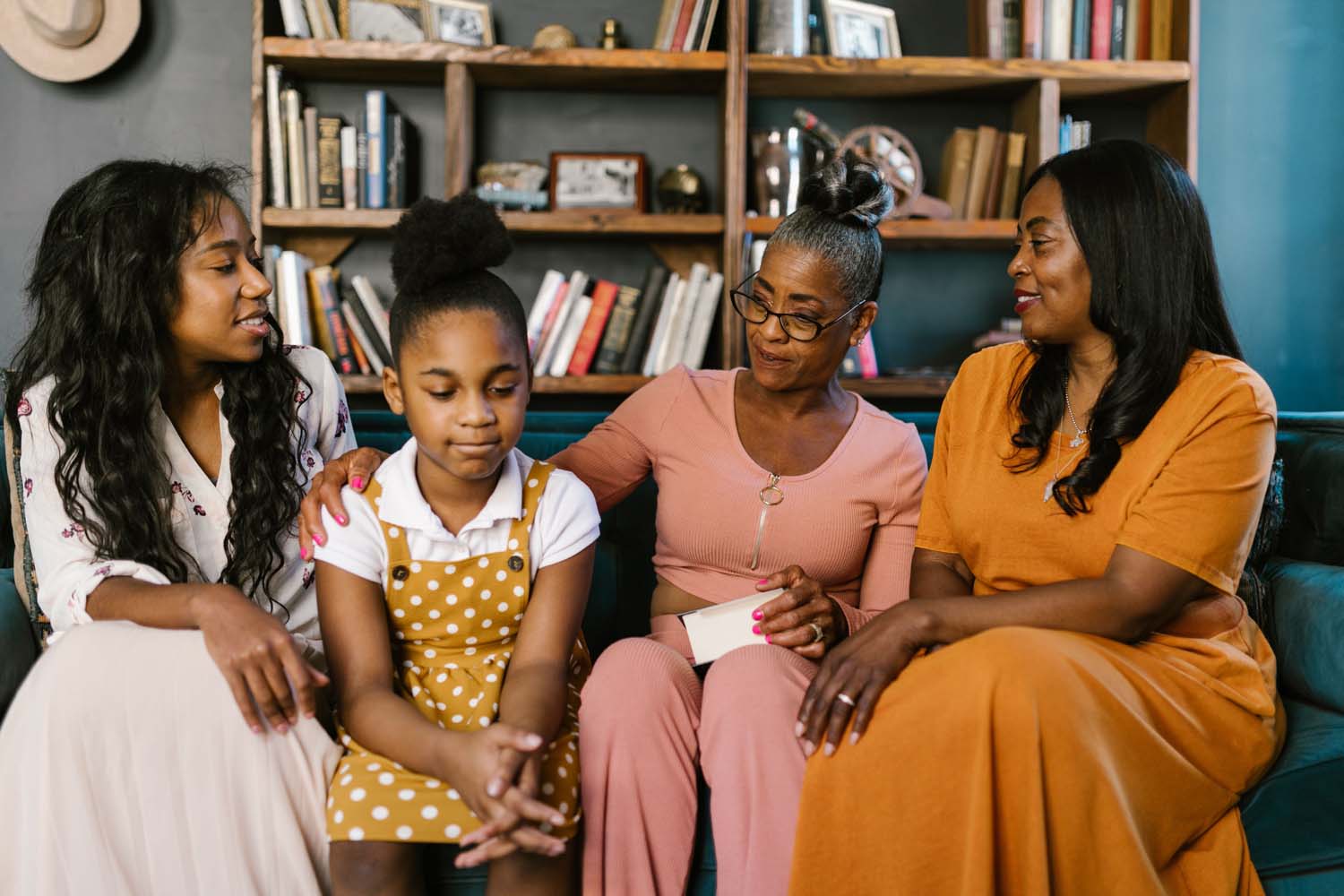
I don’t know which slice of a decade you are reading this from. I only know that wherever you are, someone has already tried to tell you what your value and worth are for. I want to start by telling you they were guessing. Every one of them. The confidence in their voice was never proof of anything except that their fluff is unthoughtful and their branding is a costume issued at birth and rarely removed later when the oppressive masks hang heavy. May I not repeat their mistake.

I won’t tell you what your life is for. I’ll tell you what I’ve seen and experienced, at close range, in women I love; only you can decide and/or keep whatever is meaningful and resonating with you.

May I tell you something before I lose my thoughts:

I have hated my own body only once in my life, briefly, the year it started failing me from the inside, diagnosed by an incurable liver cancer, and doctors in white coats were discussing what my treatment would be without asking me first. For one year I understood, in a partial way, what it is to have your life be a subject of othered deliberation. And even that partial understanding humbled me completely, because I realized that this is every day, for you. The whole of your womanhood.

So, no mancuses (excuses thrown around by men) today, dearly beloved, and rationalizing dressed up as wisdom. I want to write to you about blood, hunger, and skin, and the parts of your life that men like me were conditioned to discuss only in chiding remarks or not at all because the nose-upping was our containment.

Blood

You bled before anyone told you what it meant, and the first thing most of us were told as boys, before we were husbands and fathers, was to look away out of squeamishness dressed as respect, more insulting than anything. While I am writing this, somewhere, a girl is spotting right now, and doing her best to hide it so a boy at her desk won’t see it, and fearing punishment from teachers or mockery from her classmates.  Sounds familiar? This bleeding, a natural phenomenon and evidence of her own aliveness gets turned into an emergency to be concealed rather than a biological fact to be lived. I experienced that in Standard Six, almost two decades ago, and I went back to school the following day with a pack of Always to give one of my classmates, having asked for one from my grandmother. Many African girls and women are still grappling with period shame, period poverty, period pain and the all the bodily changes that women start experiencing from such a young age.
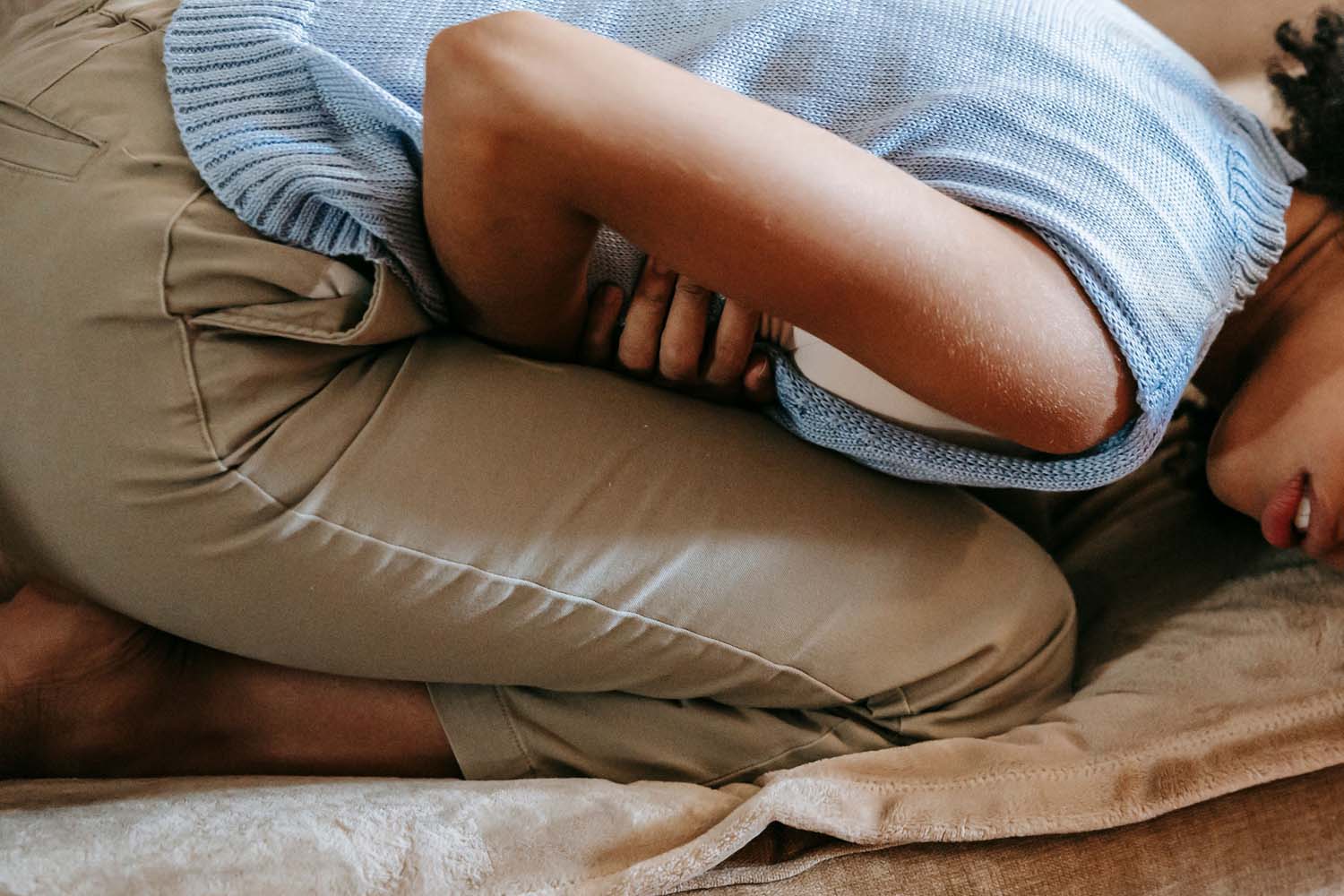
I do not menstruate. I will never fully know the reckoning with cramping, and moods that the culture mocks you for and then depends on you to suppress anyway, so you continue being of service, seamlessly.

Women have apologized for their own blood where men bled from circumcision blood or sport injuries and were called brave. I don’t have fancy punchlines to hand to you. I have only an observation, offered honestly, that such a shame is manufactured; a debt you didn’t take out, and is never yours to begin with.

Desire

Few people talk about desire and sensuality honestly.  May I ask how you are whipped, I suspect, that your desire is a liability to be managed when, for a woman, it is either absent (and therefore virtuous) or present (and therefore dangerous, promiscuous, a stain needing scouring)?

Is pleasure assigned a moral stamp before you have the chance to even enjoy yourself?

I have been, at different points in my life, both the recipient of a woman’s desire and, as with most men, a woman’s body as an object of pleasure rather than an actual person to experience and connect with. I think you deserve to understand that you will be meeting men who largely believe that your pleasure is optional and consent is but a formality. Most of us were reinforced in this so thoroughly even I didn’t notice it until I did the deliberate work of understanding the difference between being desired and being seen.

Sister, you don’t owe men absolution, and this letter isn’t a confessional tool sneaked to brush off the many ways you still get treated unkindly for your sensuality.

Your sexuality, whatever shape it takes, hungry or soft, queer or heterosexual, discovered freely or shared intentionally, is a fact about your being alive, just as breath is a condition of life.

But given how consequential sex and desire is, you carry a greater responsibility and discernment to be clear, accountable, and proactive in your life decisions as you express your love and passions through your one wonderful life. Take ownership of those decisions, because who you get into a relationship with, impacts your life and your overall wellbeing.

Skin

On this continent tonight, a girl will lighten her skin in front of a bathroom mirror, using a cream that will scar her, because someone convinced her that lighter meant closer to lovable. I will not pretend this is simple vanity. It is the residue of a culture that ranked your worth by proximity to whiteness.

Beauty, for you, as assigned by society, is a currency of employability, marriageability, and how gently life would treat you. I cannot undo years of impoverished identity in a letter. However, what I can say is, a woman who is free, generously belonging to herself foremost, and according dignity to her own being, is unbearably beautiful.

Sense of Self

We love to praise a disciplined woman right up until her discipline serves her instead of everyone around her. A woman who wakes at five to toil for and feed a household is admired. A woman who wakes at five to write, run, or simply be alone in her own company before the day’s demands budge in is suspected of selfishness. Your worth, for the vast amount of time, is only important only insofar as you are live in the roles society assigned you.

But this is one of the most successful lies of our culture: that a woman’s discipline is only legitimate when it is in service to others. No! Your discipline, dear woman, should serve you and elevate you to contribute your unique imprint onto the world. You need no justification for a society that never once asks a man to justify his path.

On Grief

My daughter’s elder sister, Mira, was stillborn. A whole life that existed and ended in the same breath, a grief my family lives with in a silence reserved for losses too vulgar for language. I did not live that loss as her mother did, in her body, in the physical agony of carrying a life preterm and then not bringing it home. But I experienced it, close enough to understand that a woman’s grief, such as miscarriage or child loss, is so often asked to be private, efficient, invisible by a certain week, so the world around her can resume its schedule.

Even as a man who believed he was paying attention, in hindsight perhaps I wasn’t. If you are grieving a person, yourself, or a dream that you buried along the way without you holding a funeral for it, I will not tell you to move through it gracefully. Grief is our only invitation to be honest and deepened in our loves. Allow yourself to grieve. Give yourself grace; I wish you plenty of it.

To the woman still being handed the script

You are in your twenties, maybe, or close enough to remember it fevered, vividly, and with relief that it’s over, or with the vertigo of still being right inside it.

In your twenties, you get handed forecasts disguised as instructions. By the time you are old enough to decide who you want to be, a surprising number of people have developed edgy opinions about what you should do with your life. With multiple rules and instructions that are contradictory. Because contradiction is one of our society’s favourite methods of control. Giving someone instructions they cannot possibly obey all at once and then blame them for carving their own way.

Until I saw it happen to women I have loved before, I didn’t always know that life is being sold to women in the name of figuring themselves out now, in a rush, while the real decisions come later.

And how quickly one wrong decision can easily become permanent evidence against you! A man makes a mistake and people say he is finding himself. A woman makes one and her character references are stained.

To the young woman who is still drawing herself from fragments, although youth is a beautiful season of endless possibility, sometimes it is filled with utter madness and anxiety. You will have your share of mistakes and regrets. However, along the way, you’ll discover that the adults who seemed to have everything figured out were merely older people improvising through a long series of bad decisions made with astonishing conviction.

My daughter is fifteen, and I already feel the scripts running themselves around her. She wants to be a pediatric oncologist. I have seen adults ask her, kindly, condescendingly, how she will manage that with a family someday. A question no one has ever once asked my nephew who said he wanted to be a lawyer. I want to reach through the years ahead and tell her what I’m telling you now. Such a question itself is theft. Reeking of disregard and sculpting humanness out of you. The audacity of that question, asked before you’ve even talked about your own choices, is the first robbery of your twenties, and it will not be the last, and you must take notice of it happening in real time and never hand over your sense of self at the altar of impervious societal trials.

Sister, when you are young enough for everybody to have plans for you, keep a room inside yourself whose key you do not hand over easily. I do not mean rebellion for its own sake. Be curious about your life. Your family may love you and still misunderstand what you need. Traditions have their wisdom but they also successfully pass norms that should have expired several generations ago.
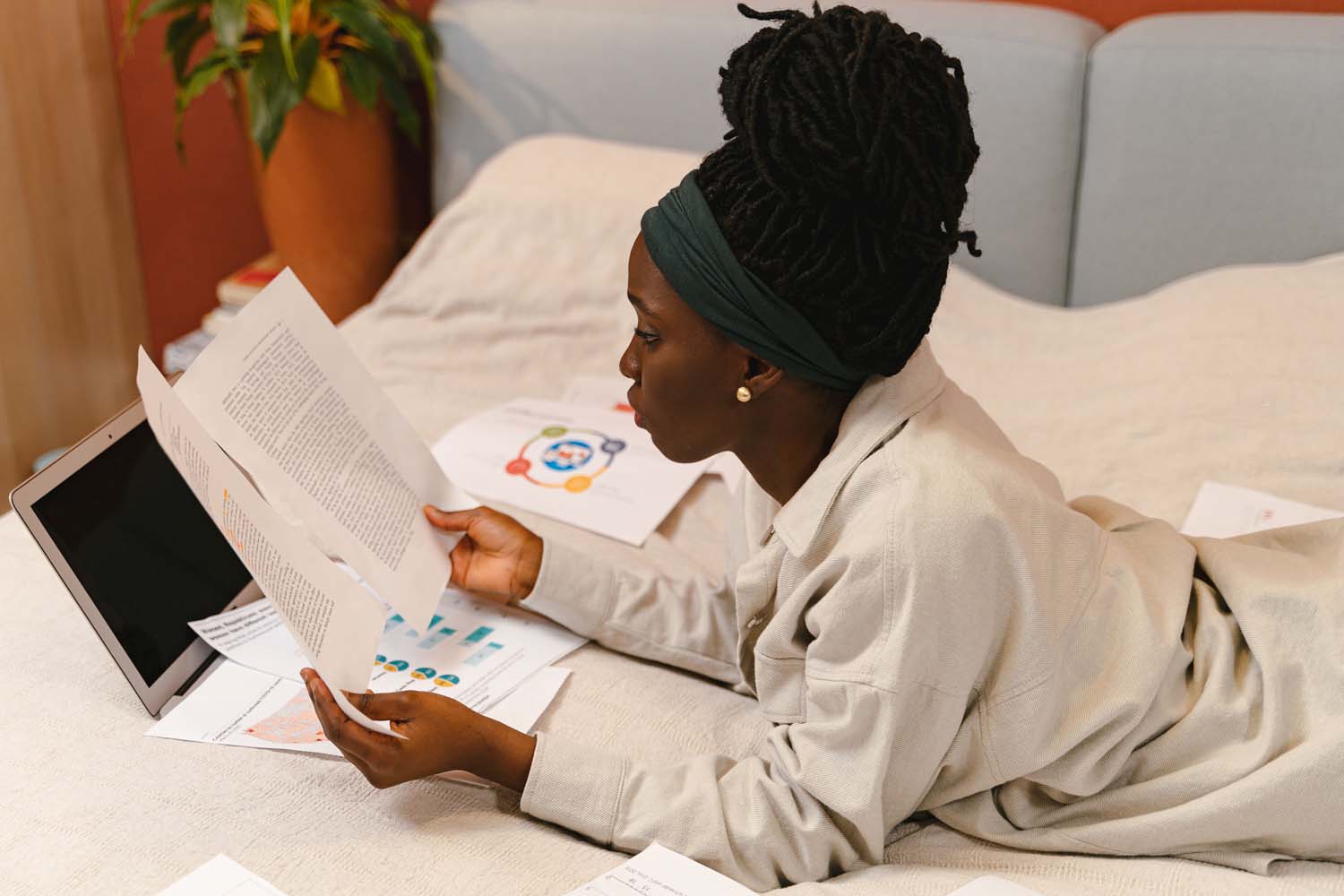
Please remember: Your body and your life is your own. Your sense of self is not a phase awaiting correction. The pathway you’re laying down now, degree or no degree, marriage or no marriage, child or no child, belongs to you the moment you understand how to know and embrace your place in the bigger picture of your life. So lay your foundations gently, lovingly, and boldly. And while you do so, allow yourself more grace, dear sister.

Women being asked to hold everything at once.

In your thirties and forties, life demands are overlapping, indifferent to your capacity, and uninterested in whether you have the will and passion to sustain them. The decade of saturation, they call it. Work wants you never tired. Family, both primary and extended, wants you to keep giving but does not want you to ever be in need of care. Relationships, both worth keeping and the ones you’re still deciding whether to keep, want a piece of your life already overstretched. None of these three women you’re being asked to be will ever satisfy the shifting goal-posts of the society.
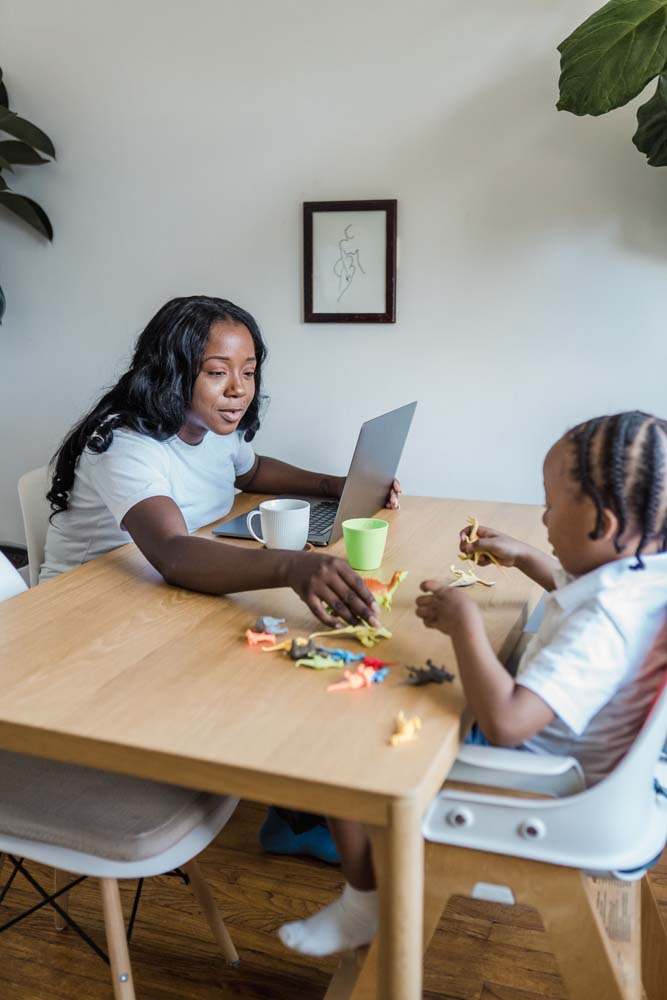
By this time, life has hollowed whatever simplicity it once promised. You are balancing several demands and a version of yourself that everyone else depends on to be comfortable. Everybody comes to you because you can help. You do manage. At first it is admirable. Eventually, on particularly draining days, it is suspiciously ambushing, and draining.

Remember, you do not have to wait until your health stages a protest before taking your wellbeing seriously. Burnout is not a character certificate and neither is perpetual availability proof of your love. The people who love you may have grown accustomed to you always being reachable and overarching. But they may not support you when you need care too or a little grace.

I can’t tell you to put it down. Because life is not that simple. Some women cannot simply leave a current situation because an essay told them to choose themselves. Freedom has its limits. But even where a woman cannot yet change the projection of her life, she must allow herself to stop calling any prison a palace merely because somebody once told her to be grateful for the roof over her head.

You are allowed to look at your marriage, job, motherhood, family, and relationships, without resorting to beating yourself up, and ask whether they make you fall in love with your one life.

Healing, at this stage, is simply the decision to keep telling yourself the truth even when it costs you the comfort of everyone, including yourself.

Please hear this from a man who learned it too late with someone he loved. Your life is your own. Everyone else is welcome inside it. But it is still, first, your prerogative which invitation you shall make as you relate with the world at large.

Hindsight

Cruelty reserved for women in their fifties and sixties, is rarely seen as cruelty. It is considered as mere inattention. A culture that spent forty years sanctioning how you live, raise children, build careers, sustain households; and then, the moment age reshapes the trajectory of your life, it starts turning its back on you.

The children are grown, perhaps, and you career has slowed or ended. Your health has changed its laws. Menopause is in the conversation and immediately we make a joke, as though a woman crossing an enormous threshold of bodily experience is chiefly an opportunity for poor comedy.

A woman reaches fifty, sixty, and the world is asking what she is still useful for. It is also one of the most brutal questions we ask each other as human beings.

Useful for whom?

I want to say this as clearly as I can, without softening it into a forgettable punchline, your usefulness was only ever the excuse other people used to access you. You do not need a new project, grandchild to raise, or role to justify your worthiness. Simply enjoy your life now and not earn the right to enjoy it, or even prove you’ve deserved rest through some final act of service; enjoy it as yours.

Grief in this decade doesn’t always have a name. Years spent being useful before anyone asked whether you were also, separately, allowed to be happy, in a world that constantly told you, in a hundred ways, that your value was always conditional on your output.

There is a sorrow, for the woman who reaches later life and looks back at their unlived potential. Dead dreams. We are very good at romanticizing reinvention for reinvention makes for an inspiring story. We are less comfortable with women who admit that their joy was lost and will not return. She wanted to dance, study, travel, or love. She did not want to have children. She stayed in abusive and oppressive marriage when she should have left, or left when she should have stayed. She was raped and sexually assaulted, a permanent wound in her body. Motherhood took years she thought she would have later and life simply happened with the terrible randomness with which life sometimes happens. And now she stands before a regrettable jury in her head, grieving hard and beating herself up.

I would not tell her that it is never too late. Sometimes it is too late. That is part of being human. However, we are not always condemned to our scars. A dream may die and still leave behind questions worth living with:re worthy of it. Women, thank heaven, are just as fully capable of pettiness, vanity, selfishness, cheating, violence, abuse, terrible jokes and bad decisions. Honesty must, therefore, include your freedom to be human and malleable. You do not need to be morally purer than men in order to honour your humanity.

What do I want from life now? Is it the career, or validation? Is it wealth, or adventure? Is it marriage, or companionship? How do I contribute, through my actions and attitudes, to the life I am living now and what efforts am I making to live a meaningful and fulfilling life?

This is one of the things I want my sisters to know from me, though I have no authority to grant it. Maturation, typically age, gives you a woman the audacity to be open to the beauty and joy there is in life. Some of the freest women I have encountered are older women. I mean women who have lived long enough to appreciate the ridiculous number of things they were once afraid of. They are certainly not free from grief. Freedom is not the absence of grief. They no longer need society to approve of them. They know which arguments deserve their worries and which can be left to rot.
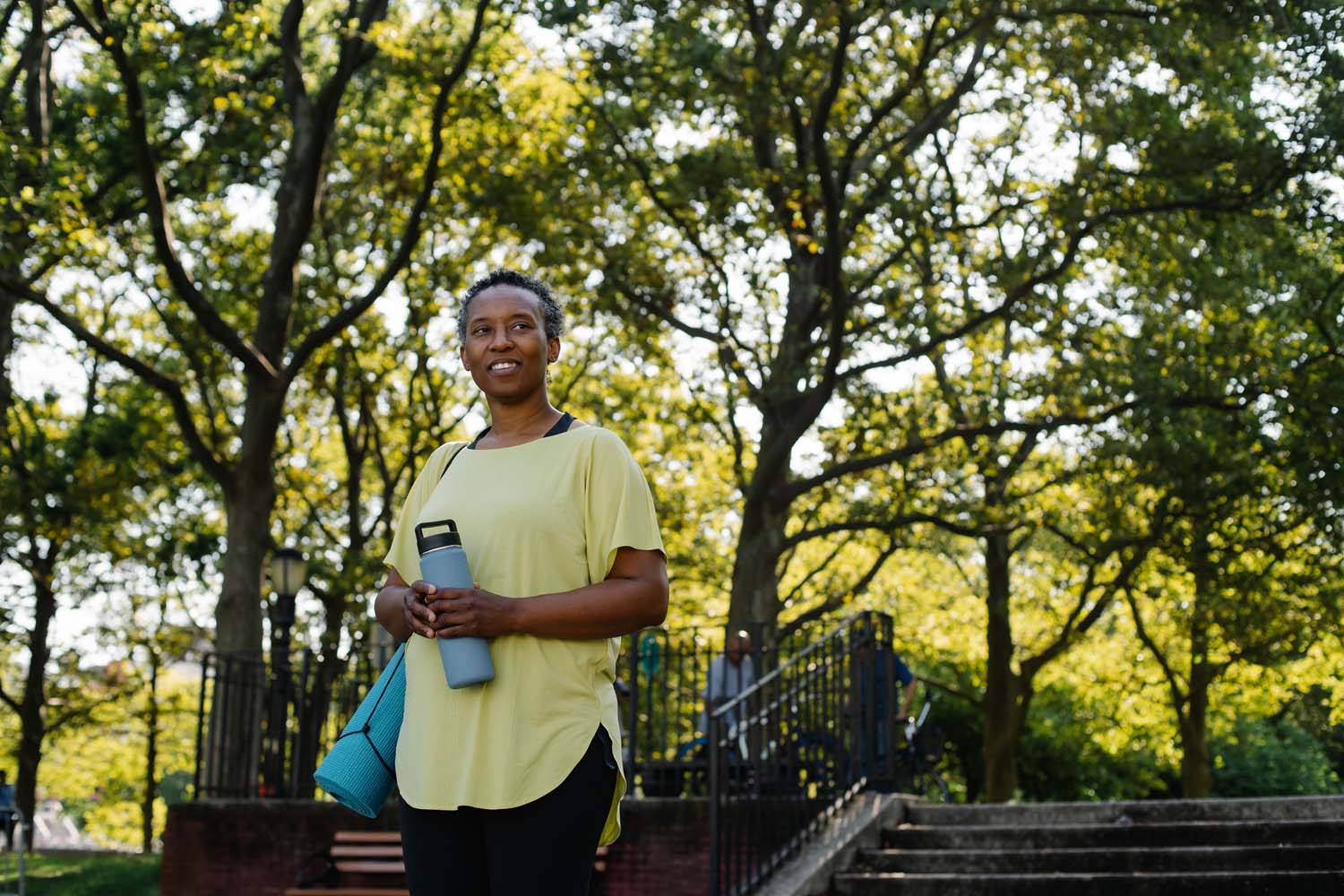
This is what I mean, finally, by seeing women differently. Put somebody on a pedestal and you still decide where they are worthy of it. Women, thank heaven, are just as fully capable of pettiness, vanity, selfishness, cheating, violence, abuse, terrible jokes and bad decisions. Honesty must, therefore, include your freedom to be human and malleable. You do not need to be morally purer than men in order to honour your humanity.

I do not have the standing to tell you what your life must be, and I do not especially appreciate the arrogance of pretending otherwise. From the outside looking in, at women whose dreams I saw get deferred, decade after decade, in favor of everyone else’s more urgent timeline, until deferment was, from a distance, indistinguishable from death, I hope you live your life freely and wholly. Whatever your circumstances, do not postpone living until things get better. Create your pockets of joy and appreciate where you are in life. Do not miss the opportunity to travel light and be happy. May you be comfortable with yourself having fully participated in daily life. I wish you luck.

You, dear phenomenal woman, are a person first. You are not a service, future wife, potential mother of somebody, an emotional rehabilitation centre, a threat to masculinity, an audience for other people’s intelligence, or an extension of men. You are a person. A whole, breathing, changing person whose life will continue to be autonomous in and of itself.

******

Before I finish, I know that we as men should ask ourselves harder questions.

How can we relate to you better? I believe deeply in compassion between men and women because it asks something that romance sometimes evades. Attention void of feverish possession.

Can we care about a woman’s life without secretly placing ourselves at the centre of its future? Can we celebrate her love with someone else without feeling that we have lost something that was never ours? Can we sit with her grief without turning her vulnerability into an intimacy we think we are owed?

Because this letter is from a man, let me pause over that matter and bring in an uncomfortable discovery I have about masculinity. Men sometimes describe themselves as wanting ‘a strong and prayerful woman like my mother’ when what they mean is a woman strong enough to survive the consequences of their wretchedness. A woman who flatters them, does not compete with them, and is meek and submissive. This raises the stakes for you, when it comes to the kind of man you want in your life, be it a friend, partner, or husband.

We are not always as generous with our love as we believe. Sometimes we call ourselves protectors because protection sounds nobler than control but from whom are women supposed to be protected? We admire a woman’s power only when we imagine that power serving us; and praise women publicly while diminishing them privately. Sometimes the sexism we reject in beautiful speeches survives comfortably right in our homes and relationships.

I do not exempt myself from the world that made me. I have had to work hard and intentionally to confront my own blind spots through relationships I have shared with women. I have had to learn that being a good man is not a medal won through sheer decency. It is work. Embarrassing work at times. It includes being wrong without it being another burden a woman must manage, apologizing without demanding absolution, and behavior change towards being better, responsible, kind, thoughtful, and loving men.

When I think about the women I love, I ask myself whether my presence adds love and fulfilment to their life. I do not always like the answer, but it is helping me do proper self-audit and improve the quality of my relationships.

My dear sisters, I cannot offer you liberation in a letter. That would be absurd. You do not need a man to hand you a permission slip for your own life. I can, however, offer a promise about the direction in which I personally want to take. I want to be a man around whom a woman does not have to shrink herself. May I not mistake disagreement for dishonour. If I admire a woman’s beauty, may I not believe my admiration of her earns me entitlement. I want to live among women who belong to themselves inalienably.

As for the men in your life, including me, I hope we can learn a more graceful way of loving. I hope we can stop asking what women are for and ensure that the world we live in gives them joy and grace and compassion and meaning.

I am not writing to be forgiven for the men who came before me, or the man I sometimes still am when I’m not paying close enough attention to behavior. I am trying, imperfectly, daily, to be a man who understands that your life as a woman is not a subplot in other people’s lives, and your worth is not contingent on your utility to others, their expectations, or their comfort.

That is all I am trying to say to you, across our many ages and histories, to daughters and grandmothers, lovers and strangers, classrooms and kitchens, boardrooms and villages. Your life is not an application for acceptance. Neither is it a debt you must repay through usefulness. It is not a utility altar staged for family, church, culture, men or strangers on the internet.

You have one life. May nobody rush you or convince you that you are falling behind. May nobody persuade you that being a woman is inferior merely because they prefer you subservient. May you meet your own life with enough courage when necessary, to disappoint expectations placed upon you, enough love to forgive yourself for what cannot be repaired, enough humor to survive your own contradictions, and enough curiosity to tease your spirit even after the world has argued that your womanhood is out of place.

Most importantly, may you come home to yourself, thoughtfully enough to remember your own aliveness.

Read more from Omondi Ochuka on Substack and Medium.

Share on:

Explore more