

What comes to mind when you think of celebrating yourself?
Do you ever take time to appreciate who you are, the creation you are, and where you are at in your life’s journey? Do you ever take time out just to be you and do the things you love, things that feed positively into you without draining you? Do you appreciate your own contribution to your own growth and to the growth of others? Do you hold your light up and not try to dim it just so as to stay “humble” or to not unsettle others with its brightness?
Over the years as an adult, I’ve noticed that as African women, we rarely celebrate who we are; it’s as if internally a voice is telling us that, “there is nothing to celebrate about yourself. You aren’t all that”. We rarely celebrate the progress and growth in our own lives, and the contribution we make to the people around us and to the causes we engage in. It’s like, there’s still a mark we are yet to hit or achieve before we can celebrate, like we are still working towards perfecting ourselves and our journeys before we can appreciate any triumph. And, we often don’t intentionally take time out to just be us, to enjoy us, and to do the things we truly love for the sake of enjoyment and pleasure.
I talked to some women to hear more about their experience and what they’ve noticed in our settings.
Babirye is a married mum of 5, and a business woman in the food industry. She shared that: “African women rarely celebrate themselves on an individual basis. Sometimes they may do it in a community group they are part of, in settings where they pool finances, support each other, or share about challenges they are facing in life and give each other advice. Such groups support them to grow their voice, their agency, their finances and sometimes their wellbeing. Outside of that, women rarely do it for themselves, and few people do it for women, maybe except for birthday celebrations.”
She recalls a time she and her siblings organized a party to celebrate their mother on her birthday. “Mum was so touched and overjoyed. She said, ‘No one has ever done anything like this for me, something to celebrate me as me!’ That hit me really deep, because that moment allowed mum to speak her truth. That moment sent me into deep reflection about my own life,” Babirye said.
Babirye suggests that: “Women need to remember that they matter, that they are deserving of good things. They need to give themselves permission to do things and have experiences for themselves that are not attached to serving or benefitting other people except themselves. They need to release themselves from the busyness of life, of caring all the time for other people, and making a living. They need to rest; rest is not a luxury.”
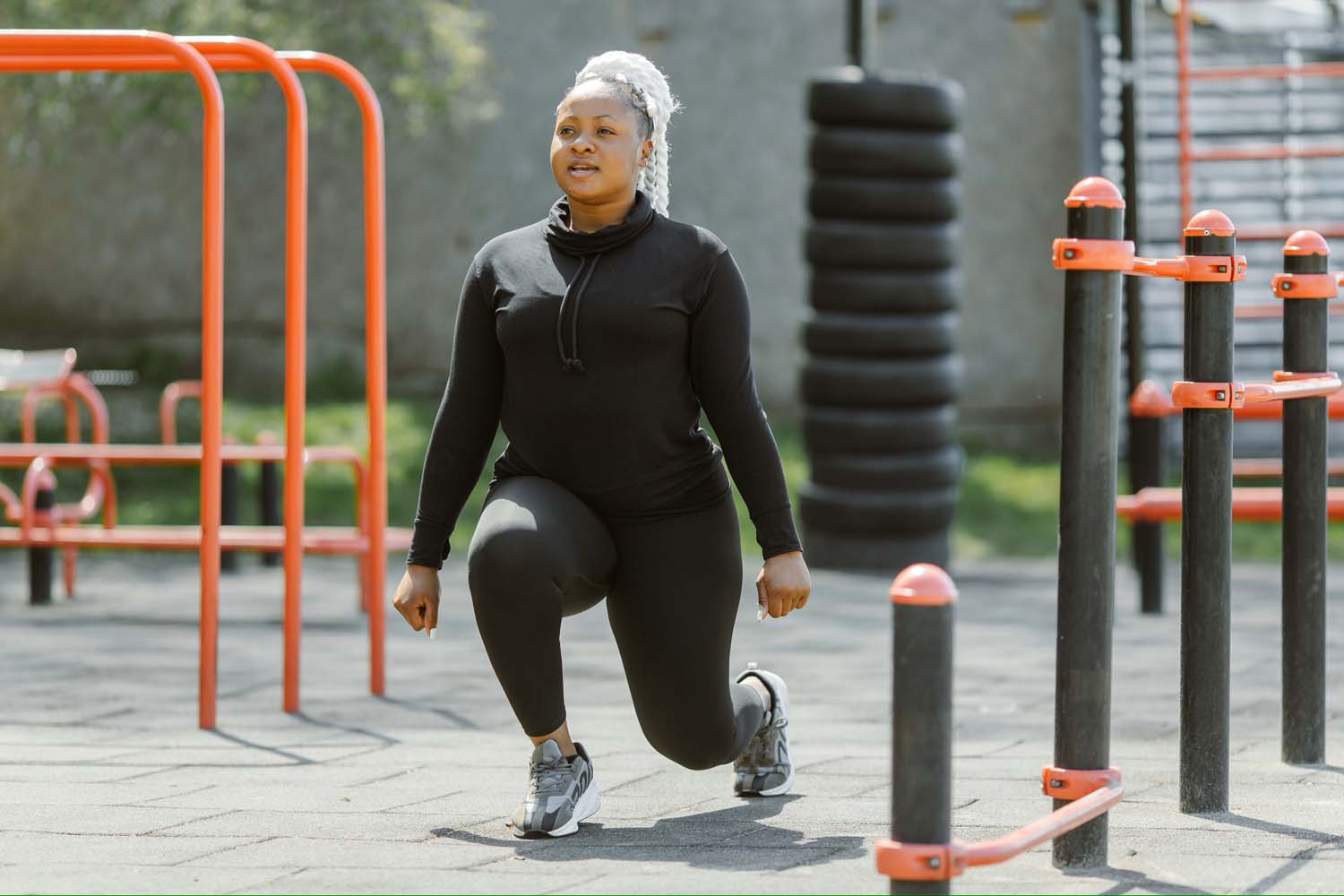
But how does one come to start viewing life that way? Babirye suggests that: “One needs to have that inward look, to be conscious and intentional in considering and looking after oneself; that can’t be emphasized enough. Exposure, especially through social media, has helped us as well. Seeing other people taking care of themselves, celebrating themselves, and celebrating others. It’s been educational and inspiring. I am now more intentional about paying attention to myself, taking care of myself and my growth as an individual, and doing some of what makes me happy, just for me. My health and fitness sessions are a must. Meeting with friends for a good time is on the table too. I am not tying my happiness and fulfilment to my children and husband, and my husband is supportive of that. We are learning from the younger generations too, they are more intentional about being in service to their own lives, rather than being only outward.”
Carol, a legal and business professional, and mother of four, shared her own observations that: “The life of an African woman is mostly that of sacrifice more than celebration. Most women I have been exposed to have given up almost everything to raise children and care for family or other loved ones. So for such women, their celebration has been tied to serving in those areas.”
Carol notes that through exposure, she’s now noticing women who are stepping away from sacrificing themselves. “They’ve decided that their happiness and time for themselves matters,” she said.
Still, she thinks that there are many constraints to African women celebrating themselves, some of which have nothing to do with these women’s choices, noting that: “Some women are raised in constrained environments where their celebration is not embraced. Others are restricted by social, cultural or religious expectations and restrictions. Others don’t have the time or resources.”
When it comes to herself, Carol said that: “I came to the realization that life doesn’t have to be postponed. Within my means, I incorporate a celebratory life through doing things that I love, like dancing, and going out with my kids, my friends, and with myself, even when I have to do them alone.”
Melissa, a research professional and mother of two, thinks that: “We’ve been brought up in a culture that emphasizes humility. Even when there is an achievement to celebrate, we are trained to be very humble about it. While it is good to not load it on others, sometimes it may make us dim our light just so that we don’t make other people envious or uncomfortable. In fact, sometimes even other people try to downplay or demean our accomplishments. So we must know ourselves well in order to not lose confidence in ourselves.”
On a personal level though, Melissa is keen on including herself on her to-do list. “I am the central wheel of my life, my children, and my work. I must take care of myself in order to keep all that I take care of in good shape. I do fun things for myself and with friends. I reward myself with a spa session every week, for me that’s my thing,” she said.
However, Melissa recognizes that many women who would love to celebrate themselves and take time out may not have the time or means to afford that. “But, we need to find those little things that give us joy, however small, and put them into action. Some are low-cost, and some don’t always cost money,” she advised.

Deolah, a mother of four, with her last two almost finishing high school, continually observes that: “For most of us African women, the culture rarely sees us as worth celebrating, even if we were to choose to do it for ourselves. We are put last and at the bottom, and we’ve been trained and conditioned to be so busy serving and putting everyone else before us. And we’ve been conditioned to not ‘see’ and acknowledge ourselves. In fact, many women even try to pull down other women and keep them in ‘their place.’
“It is a pity that as mothers and nurturers to this world, after all that we give to the survival and wellbeing of others and to the functioning of this world even outside home settings, we are still conditioned to undermine ourselves and not see much in ourselves that is worth celebrating. I’ve seen it from observing the women who’ve gone before us; I’ve seen it among my contemporaries; and I see it all over society. It’s like the world has taught us to hate ourselves. It is a twisted mentality.”
But when it comes to herself, Deolah said that: “I woke up. But there have been times when my confidence and esteem have been so low, especially as I stepped off the career path to raise my children. I feel as if being a stay-at-home mom is undermined in this modern era; it’s a job that’s not recognised. So that impacted me for some time.
“But I see life more clearly now; a job, career or working outside the home is not what determines my worth and whether I should celebrate myself or not. I’ve been working on getting back into full recognition of myself and my worth, and the pursuit of my goals. I cut down on over-serving others. I do things I love, for my own sake, and I am taking care of my health. And in all this journey, my husband is my number one supporter, encourager and cheerleader, so I am very appreciative of that.”
From the above discussions and from observation of society, it is evident that as African women, we’ve for a long time been conditioned and chained into a culture of self-sacrifice, endurance, and constant responsibility for others; modesty and hesitance in taking up the spotlight just so that we don’t appear proud; lowering our expectations and tampering or postponing the pursuit of our goals; and constantly erasing or editing our joys just so we can make the people around us comfortable and accepting of us.
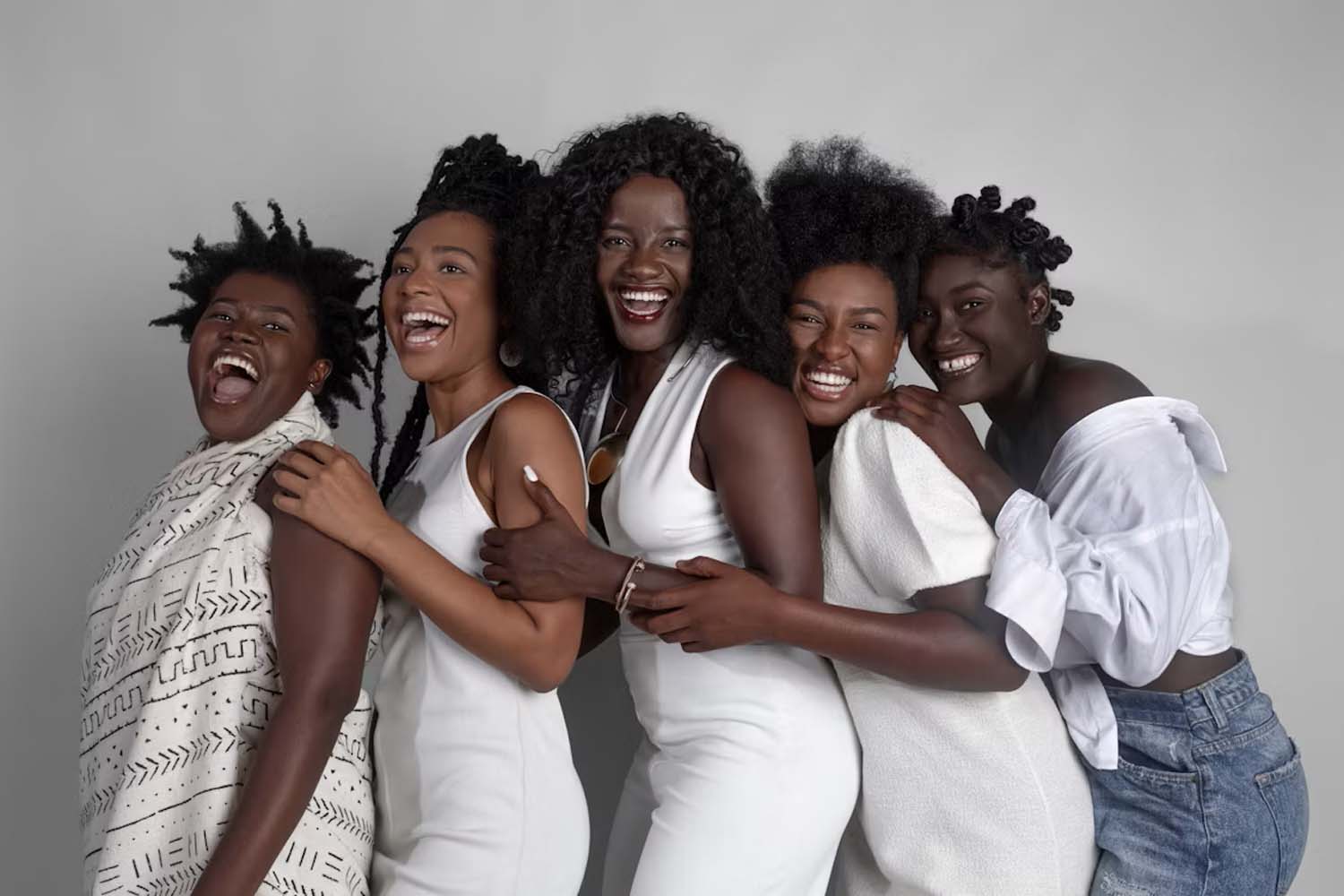
But it’s high time we start seeing and appreciating ourselves for the full humans that we are. Humans who deserve to live full lives, not shrunken ones. Lives that we value and celebrate. We need to:
- Reclaim our identity of fullness and completeness, independent of other people’s opinions and judgements. As Deolah said: “If we can learn to see ourselves and each other through the eyes of God, we’ll be able to see our beauty and our contribution. And it’ll be easier to recognize our worth and celebrate it.”
- Prioritize ourselves and our wellness. As Babirye said: “Rest is important, it is not a luxury. Our health matters, in all aspects. So we need to take care of that.” Deolah added that: “Women need to remember that they are not servants or slaves, they need to drop that untiring strong woman mentality and stop running themselves into the ground through self-sacrificing exhaustion. They need to maintain healthy boundaries and say ‘No’ to some things.”
- Speak to ourselves kindly, with love. We get enough bashing and negation from the society and the world out there. We don’t need to add to it with our own harsh self-criticism and self-deprecation. We need to learn to speak to ourselves positively and affirm ourselves. Even when we need to step up and grow, we can encourage ourselves through the journey forward rather than bash ourselves for missing some steps. The goal is not perfection, but progress.
- Acknowledge and celebrate our wins and contributions. “However small, we need to acknowledge them, rather than wait for only the big ones. Let’s not fall for voices that tell us to dismiss or downplay them,” Melissa encouraged.
- Commune as women, through creating spaces where we can support, uplift and celebrate each other. “We don’t need to fight each other when the world out there is bashing us. Being for each other serves us better,” Deolah said.
- Choose joy and happiness as much as we can. “It’s part of the package of a good life,” Carol said.
For each of us, the ball is in our court. Will we celebrate ourselves? I hope so.