
I think the trouble begins with the image of power itself. We have made it mimic a throne, a title, a corner office, a parliamentary seat, a fat bank account, a microphone held before an audience.
Those things matter. Money changes the range of choices available to a person; political office determines whose interests are attended to; education furnishes us with knowledge necessary to challenge the person who has always spoken with greater authority. A woman who owns the roof over her head enters a marriage differently from one who has nowhere to go after an argument; a woman who has money in an account nobody else controls has a bargaining power; and a woman who knows herself worthy of decency and dignity is less easily bullied by somebody who invokes tradition as though tradition were a police officer.
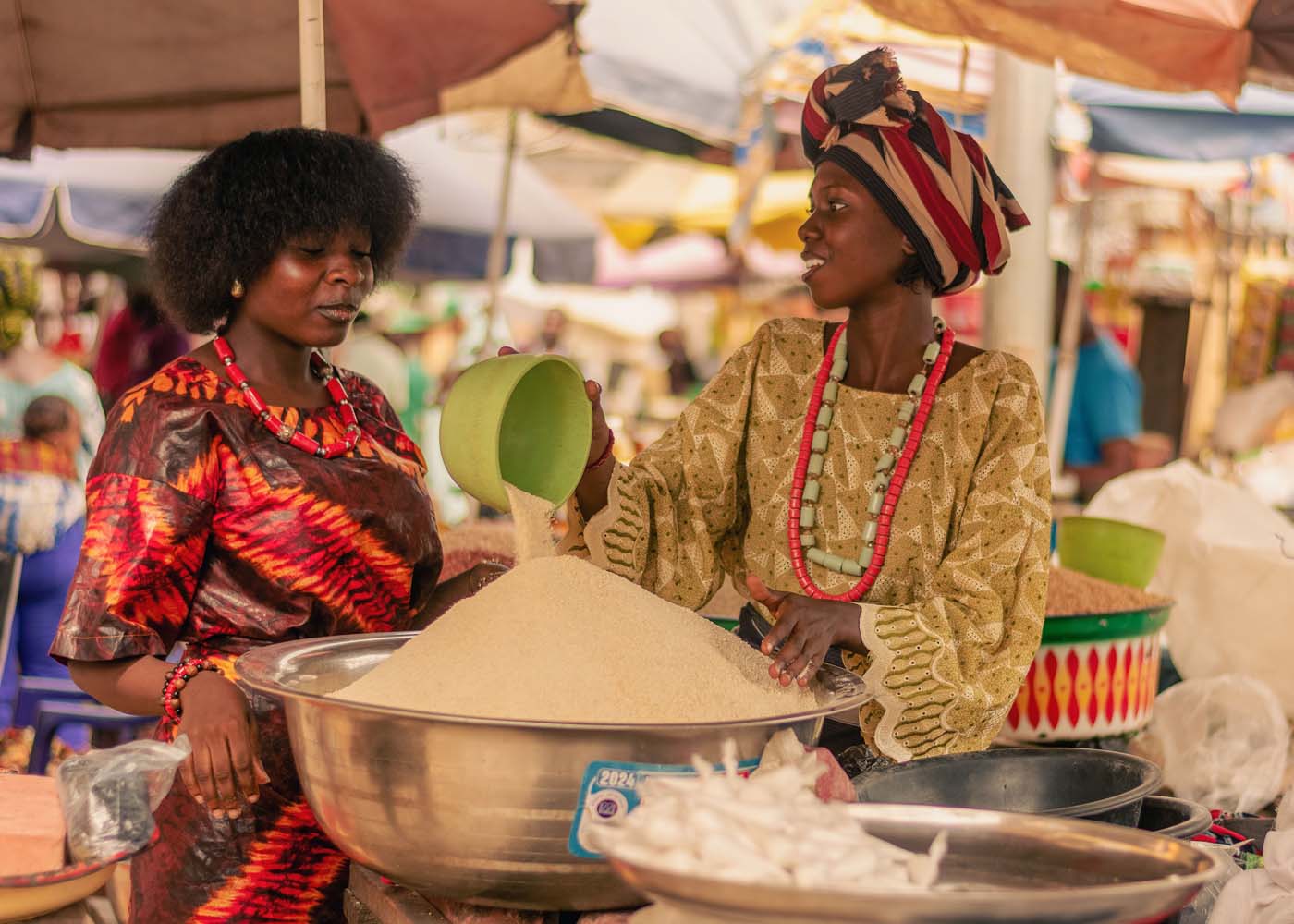
Still, much of the power exercised by African women has always been outside these grand arrangements. I have seen it in the woman at the market who can tell, without writing anything down, which customers owe her money, which children have examinations next week, whose husband has been drinking again and which wholesaler has increased the price of maize flour. Our mothers turn a month’s school fees into a family conference involving three cousins, a church friend, an uncle in town and somebody’s SACCO withdrawal. I listen to women at funerals conduct, between the mourning and the catering services, an informal census of who has fallen sick, whose marriage has deteriorated, whose child has found work and which household has run out of money. There are economies of knowledge in our communities that never appear in national statistics.
A woman sitting in the shade outside a rural home shelling beans knows more about the financial condition of five households than a man sitting in a boardroom with audited statements. Her knowledge may never be certified and her judgement may never appear in a report yet people come to her when a child is missing, a marriage is in crisis, a daughter is pregnant, somebody needs a loan, or a funeral contribution must be organized before sunset. She remembers who gave what at the last harambee and who still owes the family two thousand shillings. She knows which aunt can be called upon for help and which one will turn assistance into a family history lecture.
That, too, is power! The only problem is that we are accustomed to seeing women’s capacities as responsibilities rather than resources. A woman who takes care of a big household is praised for her strength, while the same arrangement that keeps oppressing and tiring her is left unscrutinized. A mother who is perceived as the family’s emergency fund is described as dependable while a wife who tends to appointments, medicines, birthdays, and school requirements of children and family obligations is said to be naturally caring. In my experience with cancer caregiving, a daughter who postpones her own plans to look after ageing parents is admired for her goodness but the admiration, even when sincere, may still conceal an extraction.
I have wondered about this whenever I hear an older woman say, with pride and fatigue in the same breath, “Hawa watoto wote ni wangu.” These children are all mine. Sometimes she means biological children. Sometimes she is speaking of nephews, nieces, grandchildren, neighbours’ children, a sister’s orphaned son, a cousin’s daughter who came to Nairobi for college and never quite left. African kinship has always had ways of making a child belong to the community. It is one of our great social wealths, but can also be a mechanism through which certain women are expected to absorb everybody else’s needs indefinitely.
Daughters who are always responsible eventually realize that responsibility is part of their identity. People stop asking whether she has the capacity to help because everybody already knows she will somehow find it. An elder sister lends money because she is the sister everybody calls when money is needed. A woman who reconciles quarrels is the family mediator even when the quarrel has nothing to do with her.
That, may be speaking much more than the familiar story about women needing confidence.
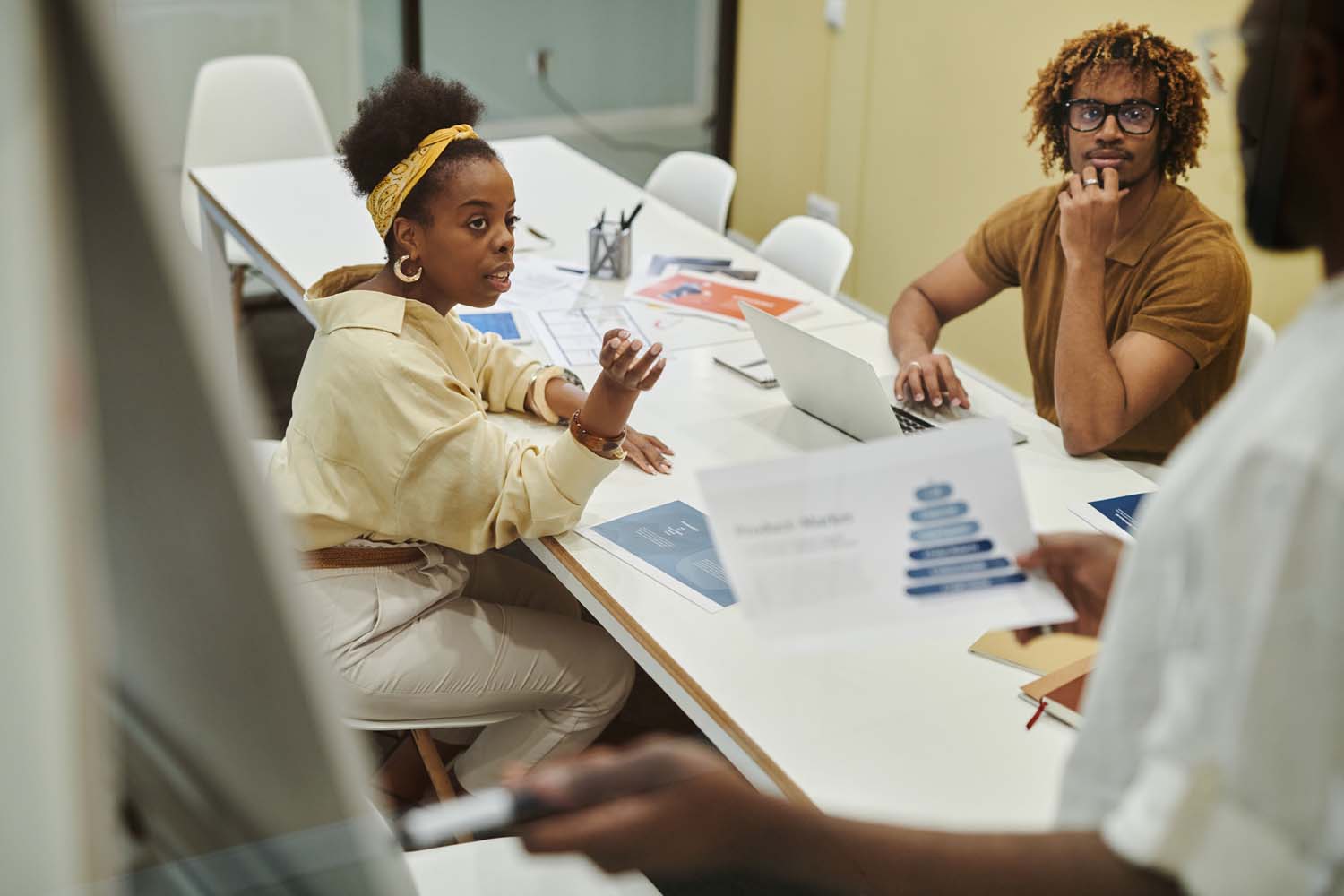
Confidence is useful. It is also a remarkably convenient solution when the deeper problem is how society benefits from a woman’s uncertainty. Think of a girl in a primary school classroom who gives the correct answer and then looks around before speaking again because she has learnt that cleverness attracts the wrong kind of attention. Same goes for the university female student whose male classmates interrupt her presentation and then repeats her point five minutes later, receiving the approval of the class for an idea she already presented. Or a young professional whose salary negotiation begins with an interrogation of whether she is single or married because asking for more money is, to her, faintly indecent.
Most daughters have been told from childhood that a ‘good woman’ knows how to compromise, while nobody cautions her that compromise is a fertile ground for oppression and manipulation especially when only she is always expected to make it.
These lessons are delivered through observation, correction, gossip and consequence.
A girl hears an aunt describe another woman as too proud or notices that the woman has a good job, dresses well, lives alone and does not answer to every family summons. At a wedding, she hears somebody wonder aloud whether a successful woman will manage to keep a man and in church, she is washed by sermons about wives respecting their husbands, followed by a less public conversation in which women compare notes about husbands who mistake submission for obedience. At a family gathering, an uncle laughs when a niece speaks too forcefully and someone tells her, affectionately, “You have a very strong personality.” Everyone laughs. The girl laughs too. She has received the lesson.
African societies have elaborate care nets, communal generosity and sophisticated forms of belonging but they also cling onto arrangements that deserve examination rather than reverence. Culture is a person’s living inheritance although it should not be made sacred merely because it is old. Our grandmothers were capable of extraordinary accommodation, and sometimes that accommodation was wisdom or survival. Those two things should never be misunderstood to mean the same thing.
A woman who stays in an abusive marriage may be exercising endurance, protecting children, preserving a livelihood or making a calculation that an outsider cannot see. Another may stay because she has been conditioned that leaving is a greater shame than suffering in the hands of her husband. A third may leave with the support of her sisters and build a life nobody in the family imagined. The moral scale differs from household to household and what matters more is the freedom to make the calculation oneself. Freedom is where we find a more serious understanding of power.
Money widens choice. Education enlarges the field of what a person can imagine. Property reduces chances of vulnerable dependence and material consequences of poverty. Legal protection is an important instrument when violation of right or an act of injustice is involved. Political representation matters because institutions distribute resources and recognition.
But beneath all these sits the authority to regard one’s own life as one’s own!

A woman should be able to decide that a marriage is no longer right for her without having her entire character placed on trial. She should be able to pursue work because she enjoys the work, rather than having to defend the decision through the court of economic necessity. She should be single without being a family project, have children out of choice and find out, after thirty years, that the life she once imagined no longer interests her. This last freedom seems especially important.
We speak often of women breaking barriers, as though liberation were a sequence of impressive achievements when there is another freedom that receives much less applause i.e., the freedom to belong to oneself, having personal agency. A woman ought to have enough room in her life to make human mistakes, change direction, be bored, struggle mentally, take a year off, return to school, start again, fail publicly, fall in love with the wrong person, leave the right person for the wrong reasons, discover a talent late, spend money foolishly, turn down an opportunity, accept another, or simply wake up one morning and realize that the person everybody knows her to be is no longer quite the person she is. To retain the freedom to do any of that without being put on trial.
Women are often asked to be symbols before they are actual people. A successful daughter is an example to the younger girls while the unmarried professional is evidence that women can succeed independently and still be plagued by her not being married to a man or not having children. A devoted mother is a model of African womanhood but a woman who leaves an abusive marriage is a story of her failing to make the marriage work. It is not any more harmful than the well-intentioned praise we give to a woman entrepreneur who is an empowerment success story or even as the proof that girls can reach the highest levels of education; the same way we might think of a rape survivor only as inspirational and brave, stripping her of her own selfhood unless it is placed alongside what has been done to her.
Sometimes she is none of these things. She is simply tired, wants to eat chips, turn off her phone and spend an entire Saturday watching bad television. What if she wants to abandon her corporate job and plant tomatoes? Sometimes she wants children, a lover, or neither and would rather travel the world, living life on her own terms, while everybody else conducts the annual family interrogation about her marriage status.

I do not think men are better men by learning to “allow” women to be powerful. Such thinking itself gives away too much. A grown woman does not need men’s permission to live fully by her own terms. What men can do is examine the relationships and contexts from which they benefit and that examination can be surprisingly intimate. Examples are plenty. A husband calls his wife’s emotional labour ‘just how she is’; a brother realizes that the family expects his sister to care for their ill parents because she is the daughter who has always been responsible; a father may notice that he gives his son money to go have fun while advising his daughter to be careful with her life; and a boyfriend may find that he has interpreted her girlfriend’s independence as attractive in theory and intimidating in practice.
These are small observations, though their consequences can be enormous.
A society changes partly through laws and institutions. It also changes through the expectations in kitchens, bedrooms, classrooms, farms, offices, churches, buses and family WhatsApp groups. Especially when we ask a different question, critique objectively an old assumption, include our daughters in land and property inheritance, and honour a woman’s anger without immediately filtering it through a diagnosis of her personality.
That is what I mean when I say that women should stop shrinking. I do not mean being louder, harder or permanently self-assured. A woman should not measure every expression of herself against somebody else’s comfort. A woman is capable of being loving, uncertain, hurt, fearful, funny, intelligent, sensual and a work in progress.
The world has been deprived by every woman who was persuaded to reduce herself to fit an expectation. We will never know their story.
That is the cruelest part. They may have been a scientist who did not apply for a research grant; a farmer who never bought the land; a writer who kept her notebooks in a suitcase; a politician who decided public life was too dirty; a doctor who abandoned medicine after being told motherhood would eventually demand the sacrifice; or an entrepreneur who handed the idea to her husband because everyone found his ambition easier to accept.
No monument records these absences. The loss is invisible because the person who might have existed never got far enough into the world to leave evidence of itself. That is why I take women’s freedom seriously. It is larger than individual success.
We are so accustomed to viewing women through their functions that personhood is seen only as an indulgence. Daughter, wife, mother, lover, caregiver, professional. Good, difficult, submissive, respectable, or liberated woman. But women should remember that they were never born owing the world usefulness.
What women need to reclaim is not femininity because that is just another identity trap, but their selfhood without assigning it roles and duties.
When a woman allows herself the full circumference of her intelligence, imagination, labour, sexuality, curiosity and judgement, life is richer because of the possibilities that did not previously exist.
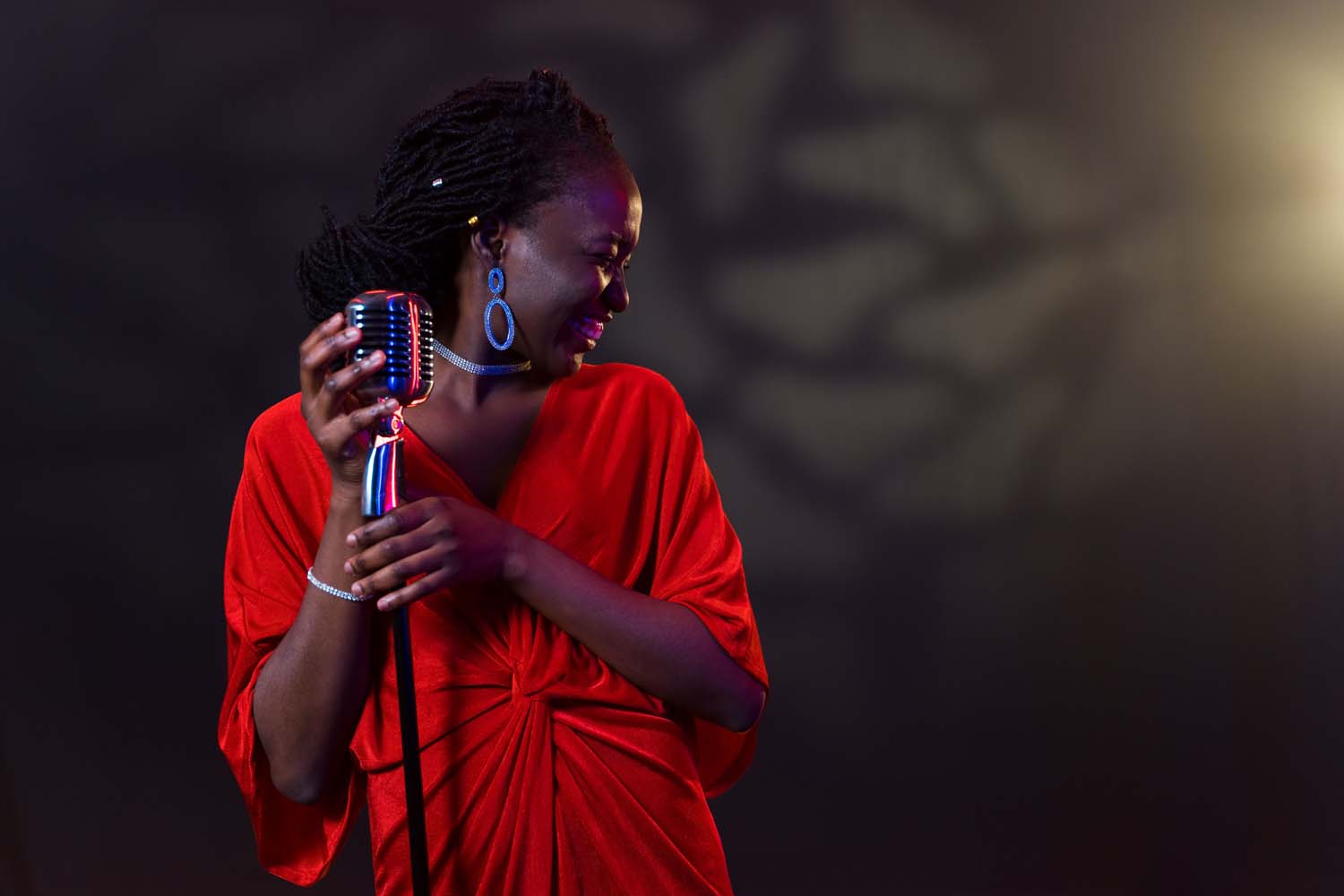
Her children encounter a different mother and her partner encounters a different relationship. The community has a different citizen in her and she, perhaps most importantly, lives a life that is closer to her own choice and dignity.
Rebellion, for its own sake, can easily be another uniform if we are not careful. So, it’s not about rebellion. It is about a woman allowing herself to exceed the usefulness of her identities. She can want something that has no family value, economic argument, or respectable explanation. She can change her mind as she grows and changes her circumstances. She can be generous and loving without being endlessly available, ambitious without turning herself into a project, and tired without being judged as a failure.
That way, then, the work is more consequential than reinvention. A return of a woman to the first-person singular. I want. I don’t want. I will. I won’t. This pleases me. This hurts me. This is mine. Choices and value systems by which a woman, as a person, takes charge of her own life.
A woman is a whole human. This may read as a compliment but is a fact that was chipped off from you on purpose, buried under decades of instruction that repurposed its confiscation as your good character.
But a woman who has stopped praying at the altar of smallness and rigid labels cannot be talked back into it using the same old terms and conditions, because she has already embraced the totality of her truth of being.
There will be people who find this woman inconvenient because she has stopped making herself easy to control or infantilize. Let them. A fully proactive and dignified life has always been somewhat difficult to colonize and that is the most honest reclamation. A woman is not an emblem of womanhood, nor is she somebody’s daughter, or wife, or mother, or idea of a good African woman.
You, dear woman, is a whole human being with the right to belonging to yourself.