
“Change will not come if we wait for some other person or some other time. We are the ones we’ve been waiting for. We are the change that we seek.” Barack Obama
“We are not having this wedding, if some things are not changed!” I calmly but matter-of-factly stated during a discussion with my late mother, regarding my then-upcoming traditional/cultural wedding ceremony at my mother’s home, which was our family home; the ceremony was about just a week away and almost all arrangements were being finalized. So to state that it would have to be held off if some things did not change was a bit of a shock to my mum, and maybe even to myself. There were a few things that I just could not stomach.
I was born and raised in the Buganda tribe of people, in the central region of Uganda. In Buganda’s culture, just like in many societies around the world, including African societies, life is very much organised around putting men at the centre and forefront of many aspects of life, with women being more at the periphery and in the shadows of the men in their families, community and society in general. This same set-up applies to most areas of life including the area of marriage and the arrangement of the related ceremonies and relationships that ensue from the marriage.
Since my childhood days, I’ve often wondered and questioned why some things are done the way they are done, including many societal norms – whether they be social, cultural, religious or otherwise. I’ve questioned why some approaches to the conduct of our day-to-day life persist in many spheres of our life even when they are no longer relevant or beneficial to us in the current season.
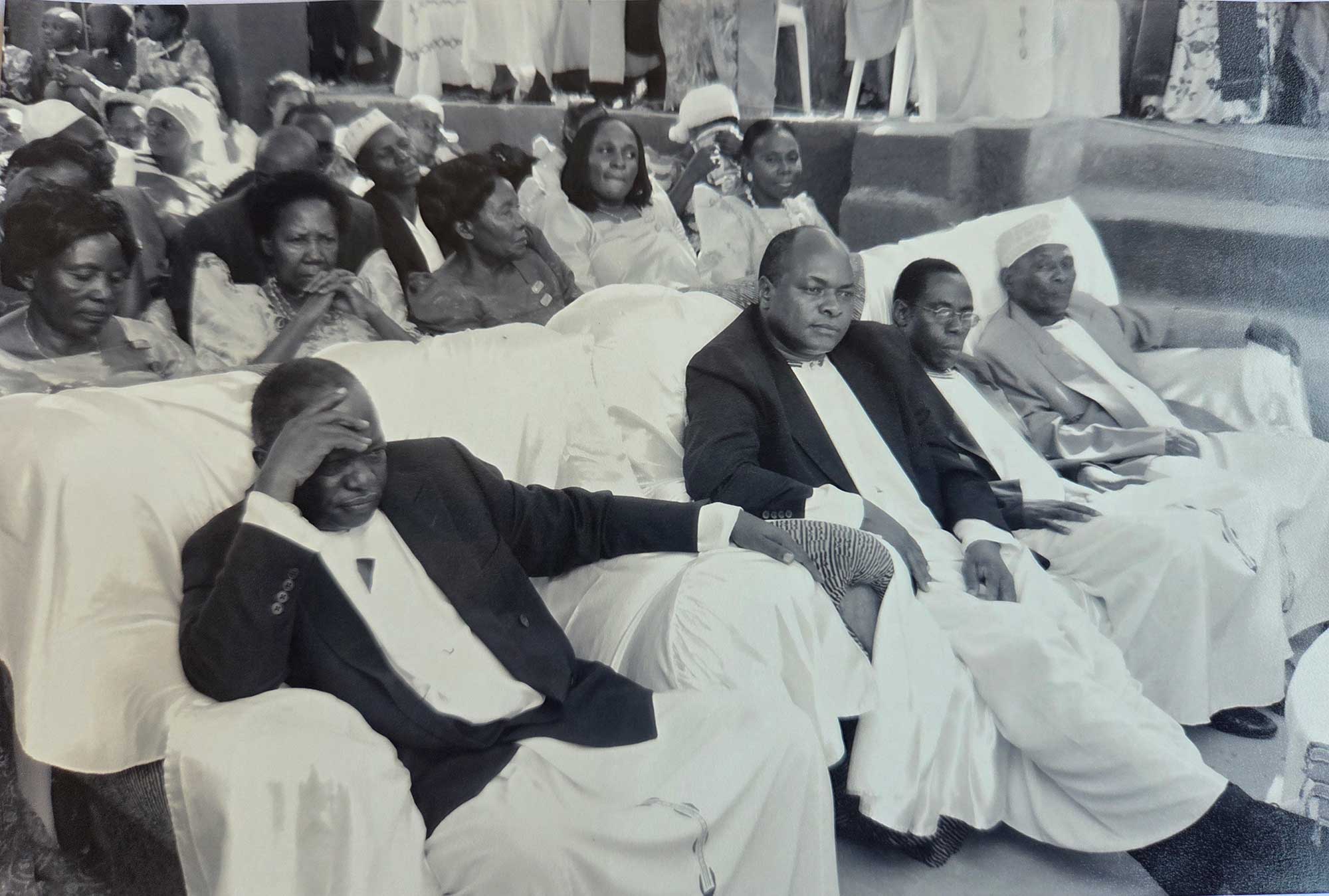
I’ll use one example here. In Buganda, during the traditional marriage ceremony, the mother and “mothers” of the bride stay in the shadows of the main process and ceremony. The men – fathers (the father and his brothers), and uncles (brothers to the mother), are at the centre and front of the occasion. Following closely behind them are the paternal aunties, after whom the mothers come into the picture. In the olden days when the ceremony was smaller with smaller numbers of people mostly composed of immediate family members, the ceremony would be conducted indoors. In such cases, the mothers usually stayed at the back of the house or in the shadow/adjacent rooms, and would be invited in at a certain point to greet the groom’s entourage. Otherwise they would be preoccupied with driving all the activities from behind the scenes, like making sure that the bride is dressed up accordingly to impress, and everything is organized to provide clean space and good food for the ceremony. In current modern times, the ceremony is much bigger, with more people invited beyond the immediate family, and therefore necessitating that the ceremony be conducted in bigger spaces, usually in the front yard of the home or in hired premises. On the bride’s family side, the elder men take the front positions and seats, with the rest of the family and invited guests occupying the spaces behind ‘the men’ of the family. The mothers stay in the house, usually in the living room or one closest to the outdoor space where the ceremony is being conducted, and watch the ceremony through windows or peep from behind the curtains; but that watching must not seem so obvious, otherwise it would be embarrassing. For some who choose to be less stringent culturally, the mothers may sit on the nearby verandah/balcony and watch the proceedings from there; this is what was done during one of my sisters’ ceremony, which happened a few years before mine. When it is time for the groom and a few handpicked guests to go indoors to officially great the parents and ‘important’ frontline family members, after which they sit down to a sumptuous meal – a meal whose preparation is orchestrated and ensured by the mothers, that’s when the mothers come out to be greeted and seen by the guests, after which they go back into their shadow spaces.
“You and all my mothers are going to sit outside, just like the men, and comfortably watch and enjoy the ceremony. There is no way you are going to stay in the house and peep at my ceremony through the windows or from behind the curtains. And there is no way you’re going to sit on the verandah and watch from the sidelines. This is as much your ceremony as it is mine; you are the ones who gave birth to me, raised and nurtured me to this point, and you are the ones I run to when life is stormy. There is no way you are going to watch this day from the shadows. In order not to shake things up too much, the only compromise I can make is that the men can have the seats on the front row, but the row right behind them is for my mothers. Either that or no ceremony,” I shared my proposal and stance with mother. “You are serious!” stated my mother. It was a question and a statement all at the same time. I remember that moment vividly. I looked at her with a serious face, nodded in affirmation and then smiled. We both laughed.
A moment of quiet followed. Mother was looking into the distance, her head a bit tilted, as if in deep thought. After a moment, she turned and looked at me, and asked, “but what are we going to tell your fathers and uncles and the heads of the clan?” She was apprehensive about the men of the family resisting the change that we were going to propose and insist upon, and that if they refused it and I insisted on it, we would reach an impasse, meaning that there was a risk that the ceremony would not take place. How would we deal with everyone and everything after almost every arrangement was already in place?
“We are going to present the proposal I have just shared with you. Just as it is. You and my other mothers are sitting out there. If the men see the sense in the reasons for that, then they won’t resist; if they refuse, then they’ll still be thinking that women don’t deserve to occupy that space, in which case, I see no point in having the ceremony. We are tabling this in the next upcoming family meeting. You can start the conversation, and then I’ll back it up. This is our ceremony, so we are not seeking permission; we are simply sharing our vision of how the ceremony is going to take place without side-lining anyone.” Mother agreed to the plan.
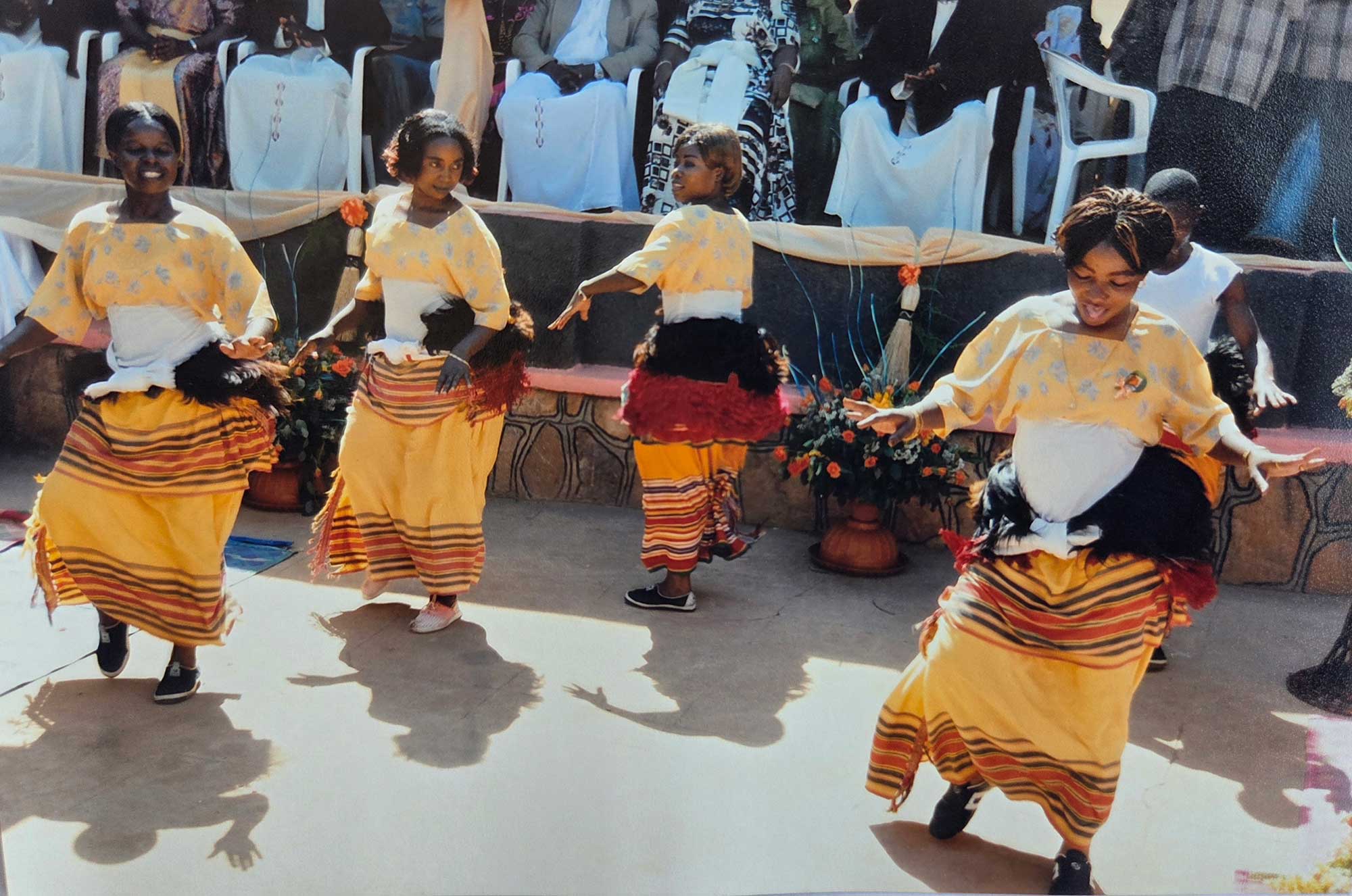
Long ago, the majority of girls were married off young, in their early teens. They gave birth while young, and so over time, a woman’s first children usually ended up looking like they were her siblings. If some of these first children were girls, who also got married off young, it was taboo for her to be in any close view or space with her son-in-law or father-in-law, both of whom might pick interest in her, or try to take advantage of her or compromise her. So, the cultural norm was to keep her in the shadows, apparently for her own protection. Not much was done by society to address and cultivate behaviours aimed at developing self-control on the men’s part. It became a norm for the mothers to stay in the shadows and not be seen much, and this has carried through into modern day marriage ceremonies, without much examination of how it started and whether it is still relevant today. Not to mention that for ages, marriage decisions and negotiations were between the fathers of both families and with some involvement of the groom, who was going to take over ‘ownership’ of the bride, with the mothers and brides having little or no contribution to the decisions pertaining to the marriage the girl was going into.
On that planned evening, the family meeting happened. We presented our case. After a moment of silence and some reflection, my leading father agreed. Our proposal did not seem controversial to him. In fact, it was a welcome change and a recognition that the original norm and practice no longer held relevance in many cases, and that women, especially mothers, deserved to comfortably enjoy such ceremonies instead of being relegated to the shadows while labouring to make everyone else comfortable.
On the day of the ceremony, a few people raised their eyebrows at the setup, and some exchanged some whispers regarding it. But everything took place as planned and the ceremony ended well. No one collapsed or died because of a change in a cultural norm.
To this day, I’ve attended traditional wedding ceremonies and still seen these norms being practiced. I’ve not suggested otherwise to the brides, grooms and family concerned, as I’ve usually attended as a guest and in any case, no change could be suggested and effected at the last minute. But I ask myself, “why?” Why do these mothers who toil for and serve everyone have to go through the day while staying in the shadows?
One day, I shared this story with a friend of mine. While he was happy that my mother and I had managed to change the course of my ceremony, he couldn’t help feeling sad that for most of his life, he had watched his late grandmother live mostly on the sidelines when it came to important decisions and occasions in her own home, and that now, it was too late to change that for her.
I’ve used these experiences only as examples. There are many norms and practices in our societies that sideline, exclude, or outrightly exploit or damage women’s lives. These set-ups are within families, in social spaces, at work places, and in institutional and public spaces. If not examined critically and action taken to modify or change them, they’ll continue on. Usually, those who are comfortable and served most by such norms, practices and set-ups will see no problem with them, and will thus continue to uphold them or even fiercely fight to keep them. Often, it’ll be up to those who feel compromised by them to initiate the change. This initiation brings the norm under some examination, a process which may lead to modification or discarding of the norm or practice, thus creating room for new ways of being, living, relating and working with one another.
Newton’s first law of motion, in simple terms, states that: a body at rest will remain at rest unless an outside force acts on it, and a body in motion at a constant velocity will remain in motion in a straight line unless acted upon by an outside force. In other words, things will stay the same unless we act upon them and cause them to take a different course. And once something is in a state of motion, it will continue moving in that direction unless acted upon by another force to change that direction. It is therefore really up to us to take a critical examination of norms and practices that rob us of our full human experience, and step forward to start the process of effecting the necessary change, starting with what’s within our control, while gradually and increasingly pushing for change in areas that may not be within our immediate control.
I know there are some situations I’d still be painfully stuck in up to today if I had not stood up and started causing the changes I wanted to see in my life as a woman and full human. I know many women and men who have transformed the course of their life for the better, only because they said ‘yes’ to the necessary change.
And there is no need to be surprised or scared off by resistance, because anyway, even if change is a process of life, resistance to it is a normal defensive reaction from our own selves and from those outside of us. But we must press on to bring about necessary change.
“I am glad we did it. That was a wonderful and different experience compared to what we’ve had to go by previously. No more hiding behind windows and curtains. These ceremonies are ours too,” reflected my mother during a conversation we were having some days after the ceremony.