
Don’t Call Me Strong If Being Strong Hurts My Being!
Many of us might have seen or experienced these scenarios below, of the so-called Strong woman, in this case, a ‘Strong African Woman’:
- She sacrifices for the family even if it means going without or with very little left to herself, in terms of time, resources, energy, and more.
- She raises the kids, many times with little or no support. And she is doing her ultimate best so as not miss a step, because she is being watched and judged.
- She stands by her husband through thick and thin, and through the lowest moments, and is never expected to falter.
- She goes to work all day, and when she returns home, she picks up the second shift, of taking care of the home. She is doing her best to give the best to her work and home to ensure she and her family survive, and hopefully thrive.
- She is called and relied upon to take care of her elders, and to serve at different levels of her community, sometimes, ceaselessly.
- Her body is aching from fatigue, he mind is buzzing and numbing all at the same time, but she has to get up and show up, and deliver until it is all done. It comes with a lot of praise; she is strong, she is virtuous, and she never tires.
- Should she find herself in a toxic situation or space, whether it is the family, the marriage or sometimes the workplace, she must pray, endure, persevere, be patient, be forgiving, and work harder at it, even when she may be facing some serious risks. After all, good things come to those who wait.
- She may be experiencing the pain and weight from some or all of the above situations and more, but this is to be taken as normal life. She must bear her lot. There is no need to talk about it. And talking about some things will bring shame to her or to the family; especially the family, she must cover for it and protect its name and image at all times.
The list could be endless, with many women having their own varied experiences. But carrying the weight is what earns us being called a strong woman.
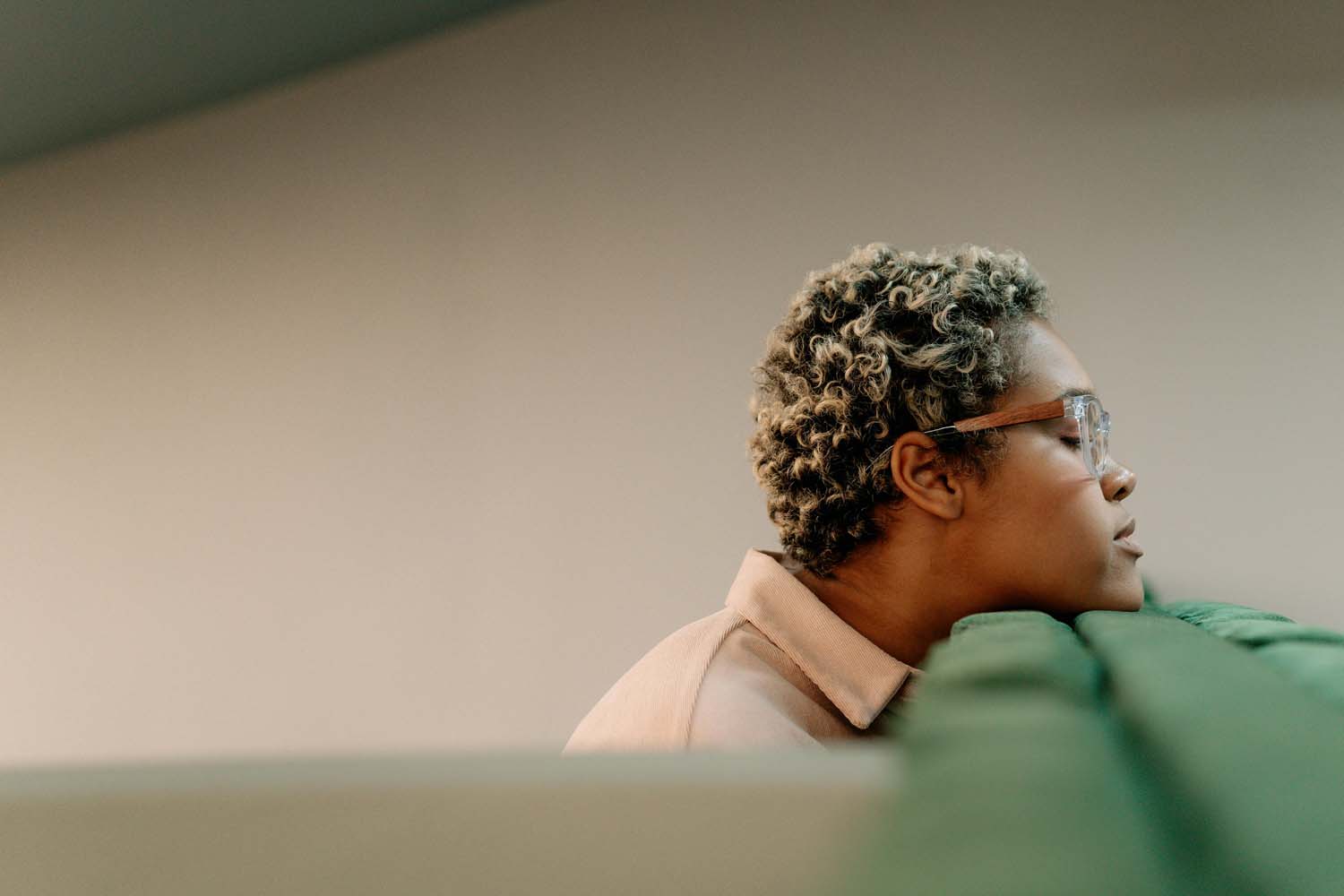
I’ve seen it often, and I’ve been there, in some ways. When you are juggling many demands and somehow you are appearing to survive and maybe even manage a smile, and during a calm conversation with others, you are referred to as strong. A strong woman. A strong African woman. Some people genuinely feel proud of you when calling you that. And sometimes, the one being called that can feel praised, validated and strong and proud within.
The thing is, accepting this boxed-in way of living one’s life forces one into unnecessary and burdensome resilience, self-sacrifice and selflessness. It forces one into the superwoman box of living like you’re unbreakable, self-reliant and still managing through without help. One’s life becomes one of normalized struggle, living a romanticised view of suffering and perseverance. Of course, for many women, and for some seasons of life, there may not be an alternative to this ‘strong woman’ way of living; in such seasons it is the strength that carries one through.
But it all comes with a high cost, many times a very detrimental one.
- It distorts your identity. You start associating your worthiness and reason for existence with doing and being so much for everyone and with carrying unnecessary burdens without breaking or complaining. You think you aren’t worthy without proudly carrying the load, the struggle and the pain.
- It steals your time away from living your life and taking up opportunities that would elevate and expand your life. You are continually preoccupied with doing and giving and carrying so much, hardly ever looking up to take care of your own interests and wellbeing. You may be seen as not making progress with your own life, without acknowledging that you don’t have enough time and resources to accord your own needs.
- It taxes your health. Physically. Emotionally. Mentally. Eventually, the hidden and unaddressed stress on the body, mind and emotions may gradually manifest as disease.
- Others start taking you for granted, always taking from you, and even demanding to extract from you, since you’re always available to pour from your cup, sometimes until the last droplets.
- And since you are the strong one, those that benefit from your strength hardly see a need to come in and support you. You become the chronically unsupported support system to others. And because you are ‘strong’, you barely consider initiating the request for support.
But surely, does life have to be like this? NO!
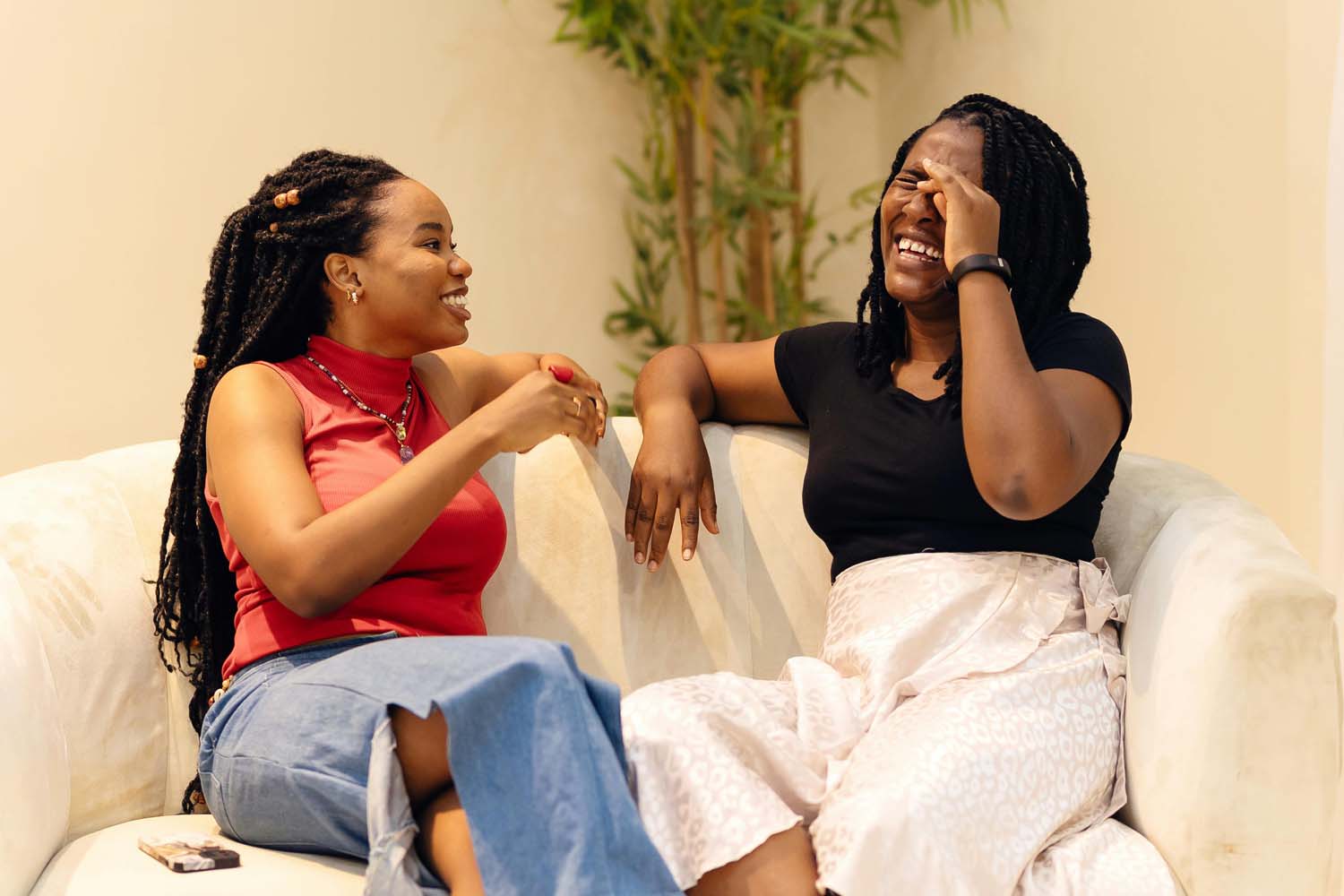
The “strong African woman” way of living doesn’t have to be our portion, especially if circumstances can allow for us to do something about it. We don’t have to succumb to the demands and expectations placed on us using the ‘strong woman crown.’
We can see and live out our strength in other healthier and more beneficial ways. Strength doesn’t have to mean suffering, pain, being overworked, being extracted from, or tolerance to the intolerable.
We can redefine ‘being strong’ in other ways. What can that strength look like? We can play out our strength in beneficial ways such as:
- Redefining our identity: Being and standing strong in our identity as human beings who aren’t locked in boxes that limit who we are and our experience of life. There is so much more to us than what we do or the weight we are expected to carry. Our worth and strength is not measured by how much load we can carry, and how much suffering and pain we can take, while continuing to smile and say, “it is okay!” No, it is not okay! Let’s always remember that we are human beings, not human doings.
- Releasing the load: Identifying when we are carrying too much and releasing that which we needn’t carry, through delegation, deference to a later time, or to simply let go if that thing is not absolutely critical, and if we are not the only ones who are available to accomplish it. Of course, meeting our work goals and responsibilities is a different story, and we must do our best to deliver on our deliverables; nevertheless, we must guard our boundaries and see that unnecessary extras don’t get loaded onto our plates all the time.
- Normalizing Rest: Realizing we are not physical and mental machines or robots that can go on and on without a break. Even machines are given a break to rest and be serviced. What about us? We need to learn to step back and take rest – physically, mentally, and emotionally, because rest is not a luxury, but a necessary nutrient for our bodies and minds.
- Setting boundaries: Guarding our time, space and energy and not allowing to be stretched beyond necessary. It may mean declining certain invites to events, visitations, non-compulsory duties and the like. It is not selfish to do this; it is about being generous to our own wellbeing. Only when we are well can we give our best in the appropriate moments and spaces.
- Embracing play and pleasure: Life is not about just working and serving and productivity, whether at home, at work, or in the community. It is also about engaging in moments that allow us to play, to relax, to laugh, to be unserious; moments that bring us joy and fun; moments that allow our free spirit to come out and thrive. We have to get serious about creating moments for being unserious! It is nourishing to the body and mind, and supports our wellbeing.
- Asking for support: Being strong through asking for the support we need from those we’ve identified as available, able, and happy to give it to us, whether in accomplishing tasks, filling in gaps or meeting us at our points of need in the different aspects of life. No one is self-sufficient, everyone needs help or support in different areas of life. It is not a shame to ask for that support; in fact, it is a strength to identify where it is needed and going ahead and asking for it.
- Embracing Vulnerability: Life has its messy bits, and we all get weighed down by it sometimes. We don’t have to be unbreakable and stoic all the time. It is okay to let down our amour and strong woman persona and allow ourselves to lean on somebody, a listening ear, a shoulder, a supportive presence that can sit with us through the heavy moments of life. Allowing softness and vulnerability is not weakness, it is simply another facet of being human, and a healthy one too.
All this requires us to learn to say ‘NO’ to the things that add unnecessary weight to our lives while saying ‘YES’ to the things that support us into growth and wellbeing. Taking this direction won’t always be easy, as we have to overcome even our own internal programming that has for so long conditioned us to be very agreeable. And our new choices will definitely rub some people the wrong way. We may face utter resistance from some people. But that is all okay. Process by process, we have to walk this journey if we want to save ourselves.
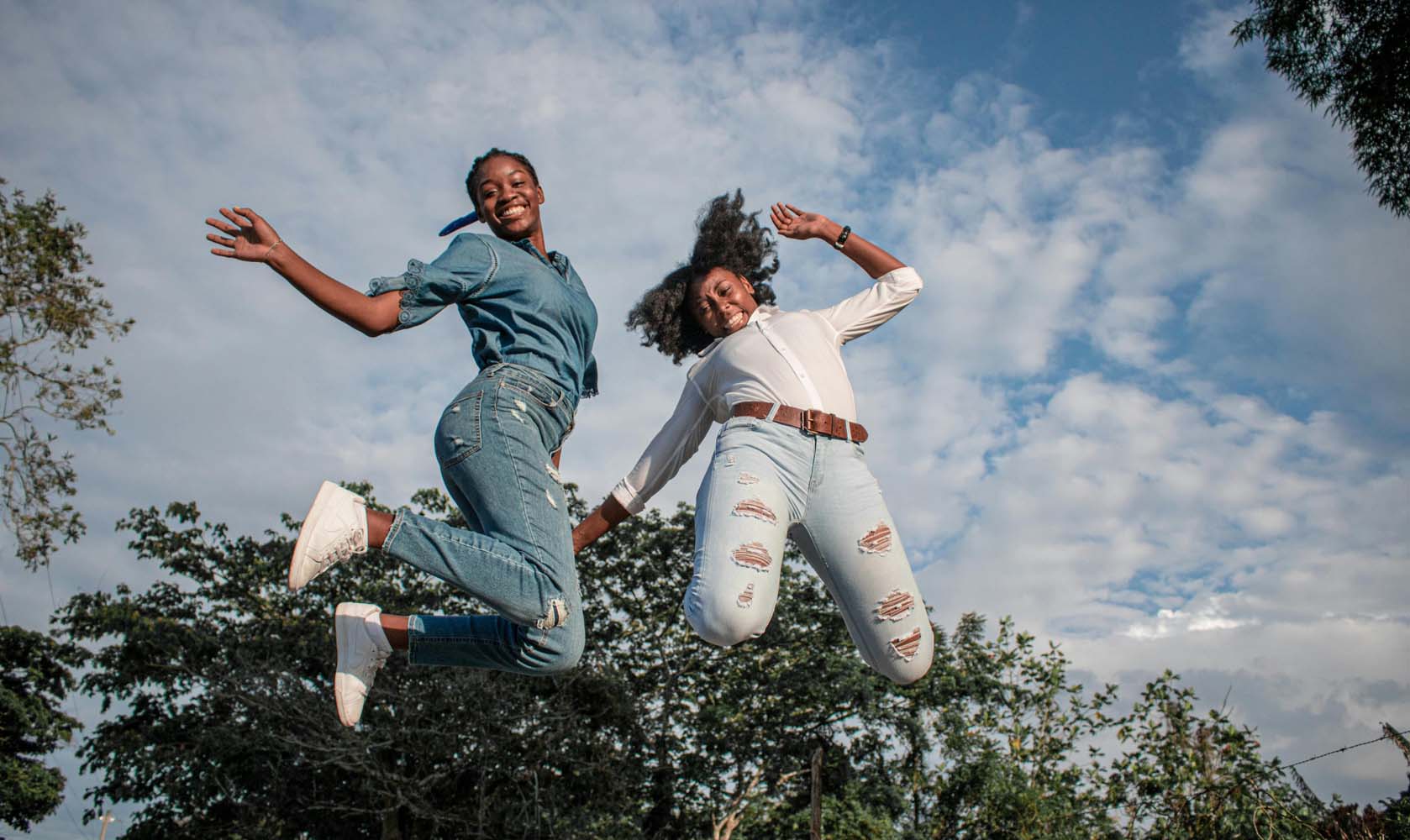
Let’s not wait for a physical or mental breakdown or illness to come in and remind us that strength is not in carrying it all, but in recognizing our limits and letting some burdens down, in honouring our bodies and minds and giving them the care that they need; and in seeking and getting the support we need. Strength is in standing firm in our identity and not being shaken and driven by external agendas and expectations beyond what’s reasonable, especially from those who want to simply keep extracting from us without any returns or reciprocation, and from those who exploit while deceptively praising us as strong and virtuous.
So, whether you are a man or woman, and you care about the wellbeing of others, next time you see a sister struggling under the weight of being ‘strong,’ remind her that her identity and worth is not tied to how much she has to suffer. She is still whole, worthy and enough without having to earn it through unnecessary pain. It is okay to set unnecessary burdens down! Let her redirect where she invests her strength; to ways of life that support her into more growth and wellbeing.